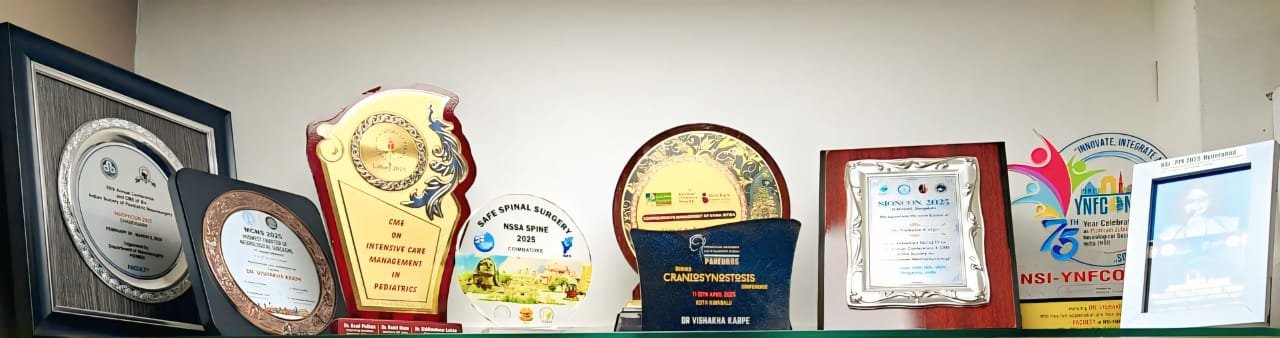
Research articles and Presentations as a Faculty in Various National & International Conferences
- Children are not small adults. Their unique anatomy, physiology, developing brains and long-term growth potential make the management of neurotrauma different—and often more challenging.
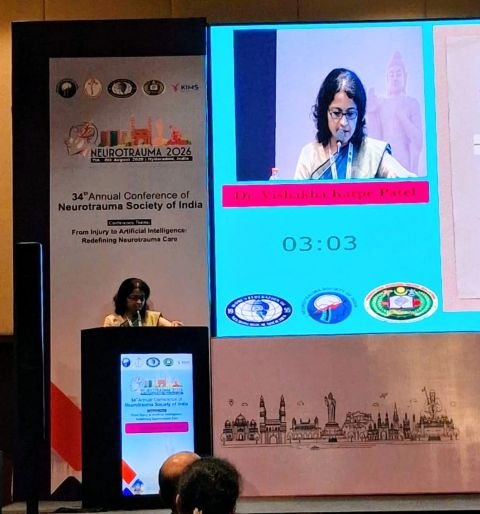
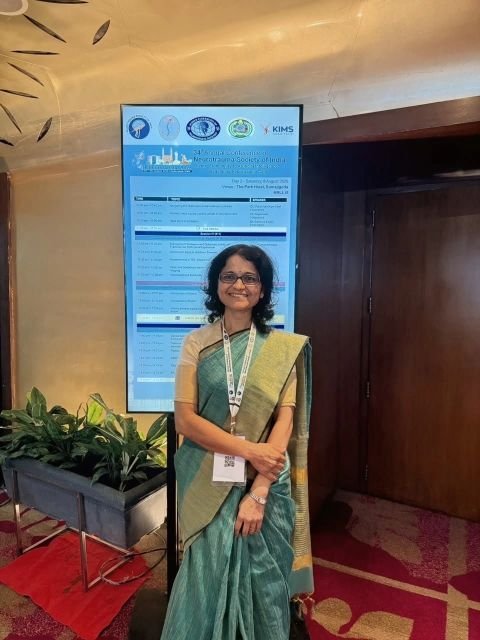
I am grateful for the opportunity to share our experience on **“Navigating Challenges in Reconstruction after Neurotrauma”** at the Neurotrauma Conference 2026 at Hyderabad.
A wonderful platform to exchange ideas, learn from inspiring colleagues and experts, and discuss evolving approaches to improving outcomes for patients affected by neurotrauma.
Key take aways:
1. cranial Reconstruction should be carefully planned after thorough assessment of the brain, skull, scalp and soft tissues.
2. Timing of reconstruction must be individualised, considering neurological status, infection risk, wound condition and overall recovery.
3. Goal of cranial reconstruction : Durable protection, contour restoration, and preservation of growth — not just defect closure.
4. Pediatric patients require age-appropriate strategies because the growing skull and developing brain create unique challenges.
5.Autologous Bone Reconstruction Remains the Default — But Not the Solution for Every Child. “Bioabsorbable osteo mesh” are relaible alternatives if autologous bone is not the option.
5.Long-term follow-up is essential to monitor Growth-related mismatch, neurological development, cosmesis and the need for further intervention.
The discussions reinforced that reconstruction after neurotrauma is not merely about repairing a defect—it is about restoring protection, function and quality of life for the child.
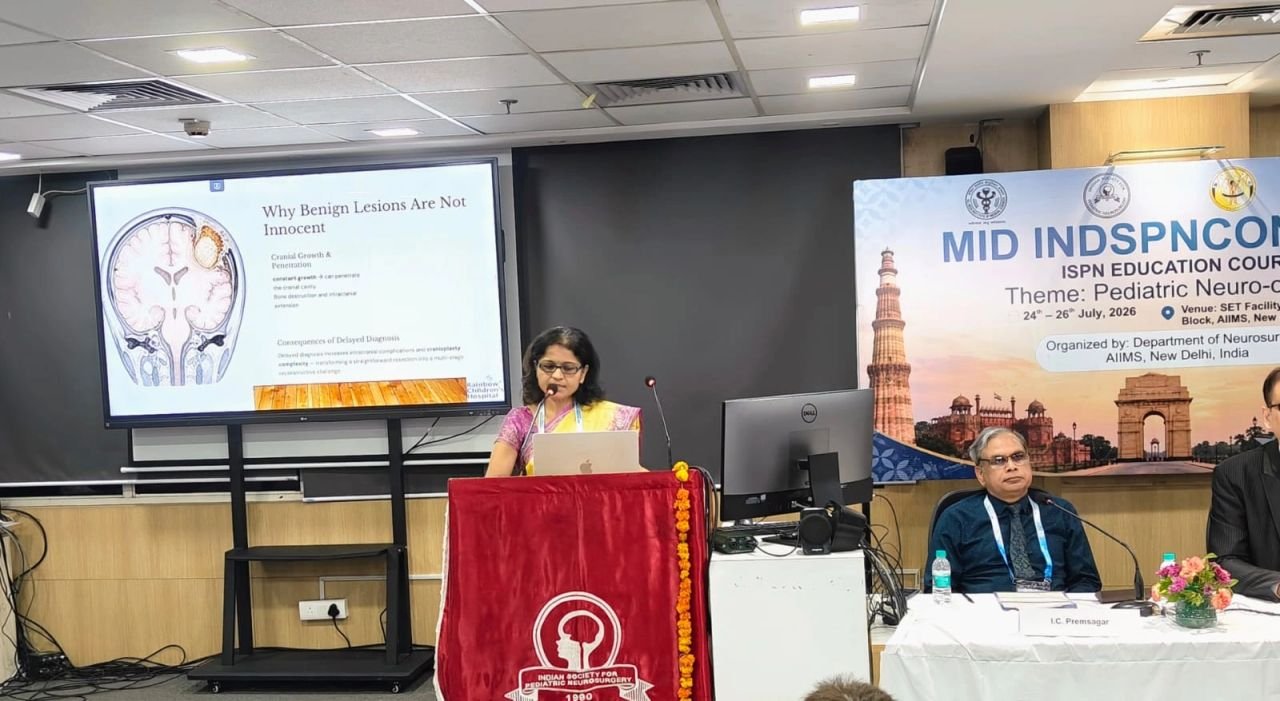
- Humbled to be part of faculty at the ISPN CME held at AIIMS Delhi. The meeting provided an excellent platform for sharing evidence-based approaches, and a lot of practical learning. that can be implemented in clinical practice.
Highlights included focused sessions on neurooncology.
Looking forward to translating these learnings into improved patient care.
Key takeaways of the talk –
1.Benign bony lesions of cranial vault although looks innocent , may be locally aggressive.
2. Can grow intracranially,and bony defect .
3. An important part of management includes excision and best suited cranial reconstruction
4.Treatment of LCH depends on stratification of disease.
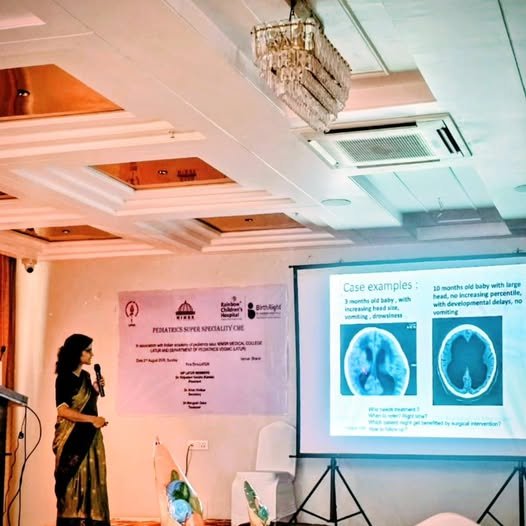
- An awareness talk to pediatrician colleagues in Latur, Maharashtra.
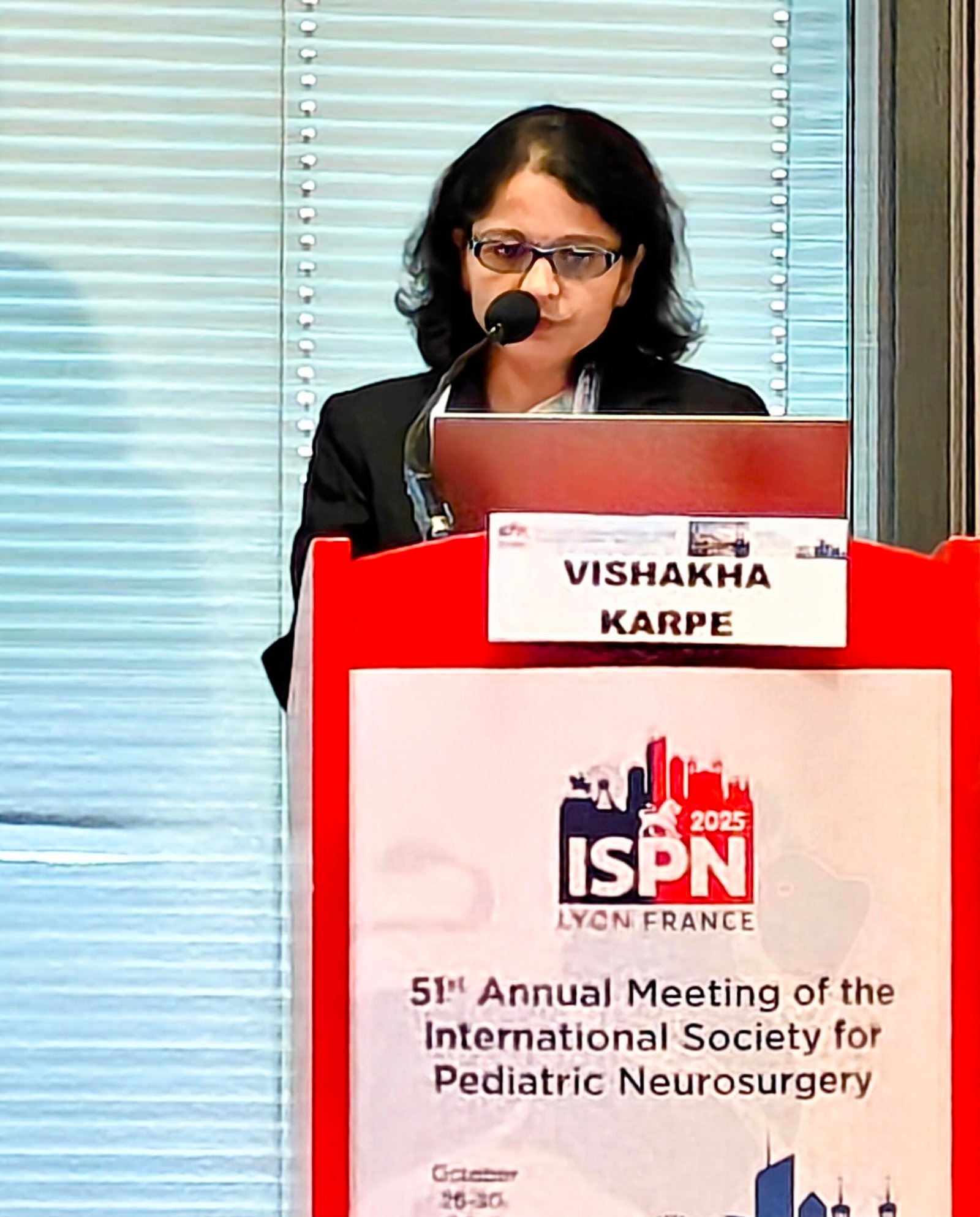
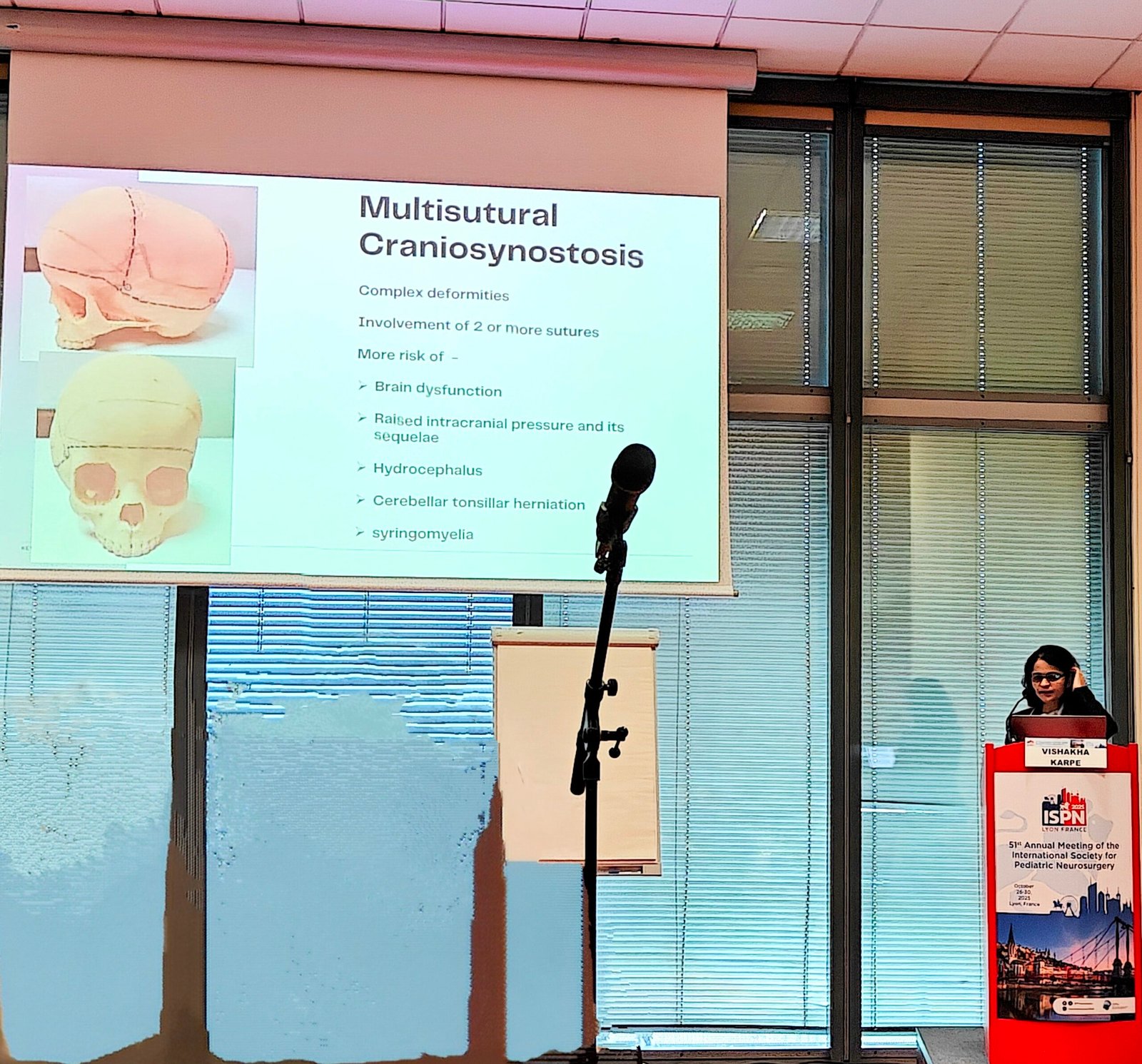
- Presented research article on ” Challenges in management of Multisutural Craniosynostosis: our institutional experience of 10 years”, in International Society for Pediatric Neurosurgery conference (ISPN) in Oct 2025 at Lyon, France .
Multisutural craniosynostosis involves the premature fusion of two or more cranial sutures, leading to abnormal skull shape and potential restriction of brain growth. Early diagnosis is critical to prevent increased intracranial pressure and developmental delays. Surgical intervention typically aims to release fused sutures and reshape the skull. Treatment of multisutural craniosynostosis poses specific challenges, often requiring a multidisciplinary approach to optimize functional and cosmetic outcomes in pediatric patients.
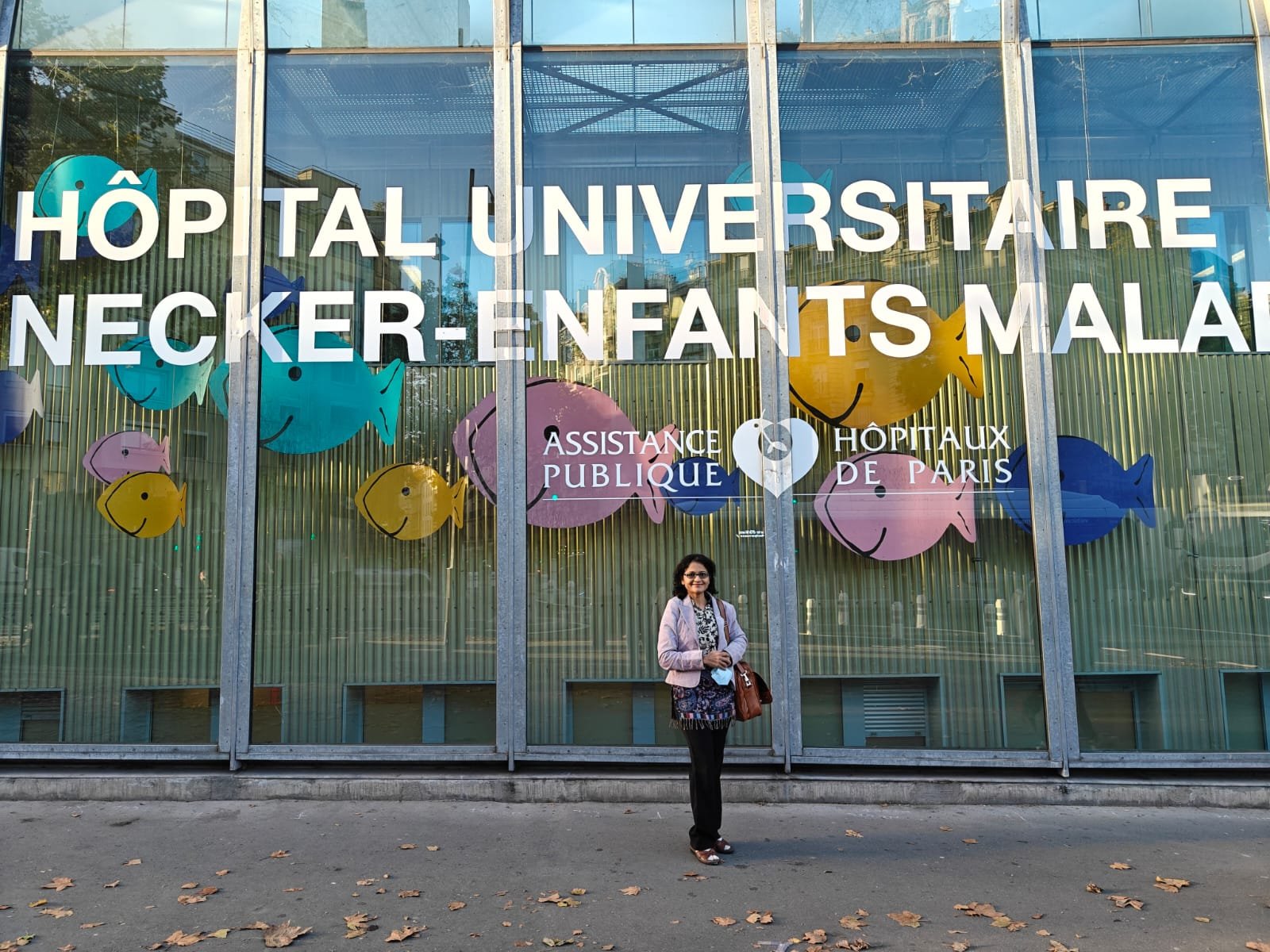
Dr Vishakha also spent enriching few days in the prestigious Necker Institute for Children, Paris, France, and exchanged ideas and learnt advanced protocols in pediatric neurosurgery.
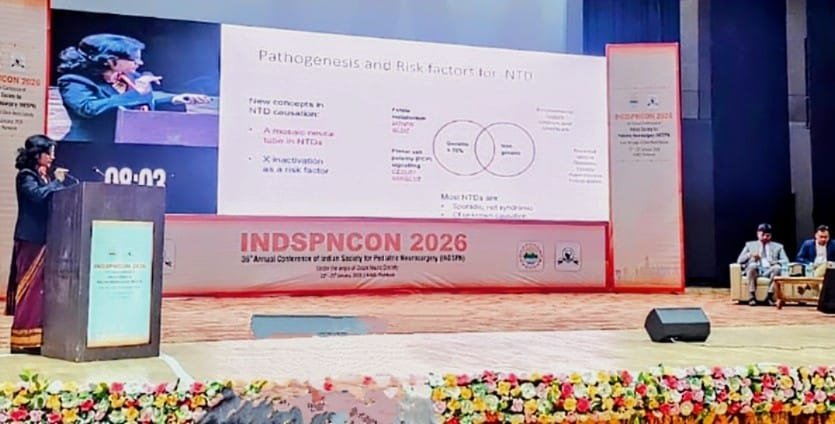
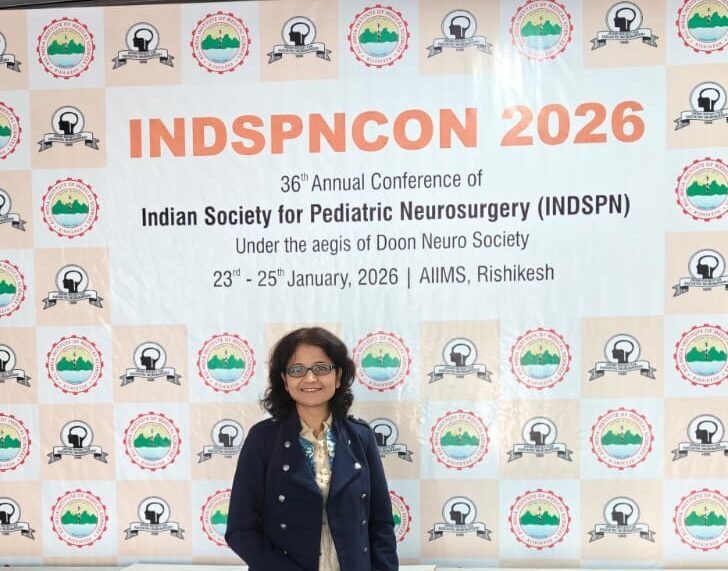
- Presented our reach work on “Coexistent multiple spinal dysraphism : surgical concondrums and challanges ” in INDSPNCON 2026 at Rishikesh , Uttarakhand.(INDSPNCON 2026)
Key take aways :
- Multiple coexistent dysraphisms reflect polygenic inheritance and environmental interactions
- Surgical detethering of all lesions is recommended
Advanced monitoring and meticulous surgical technique preserve neurological function. - Multidisciplinary approaches optimise outcomes for these complex cases.

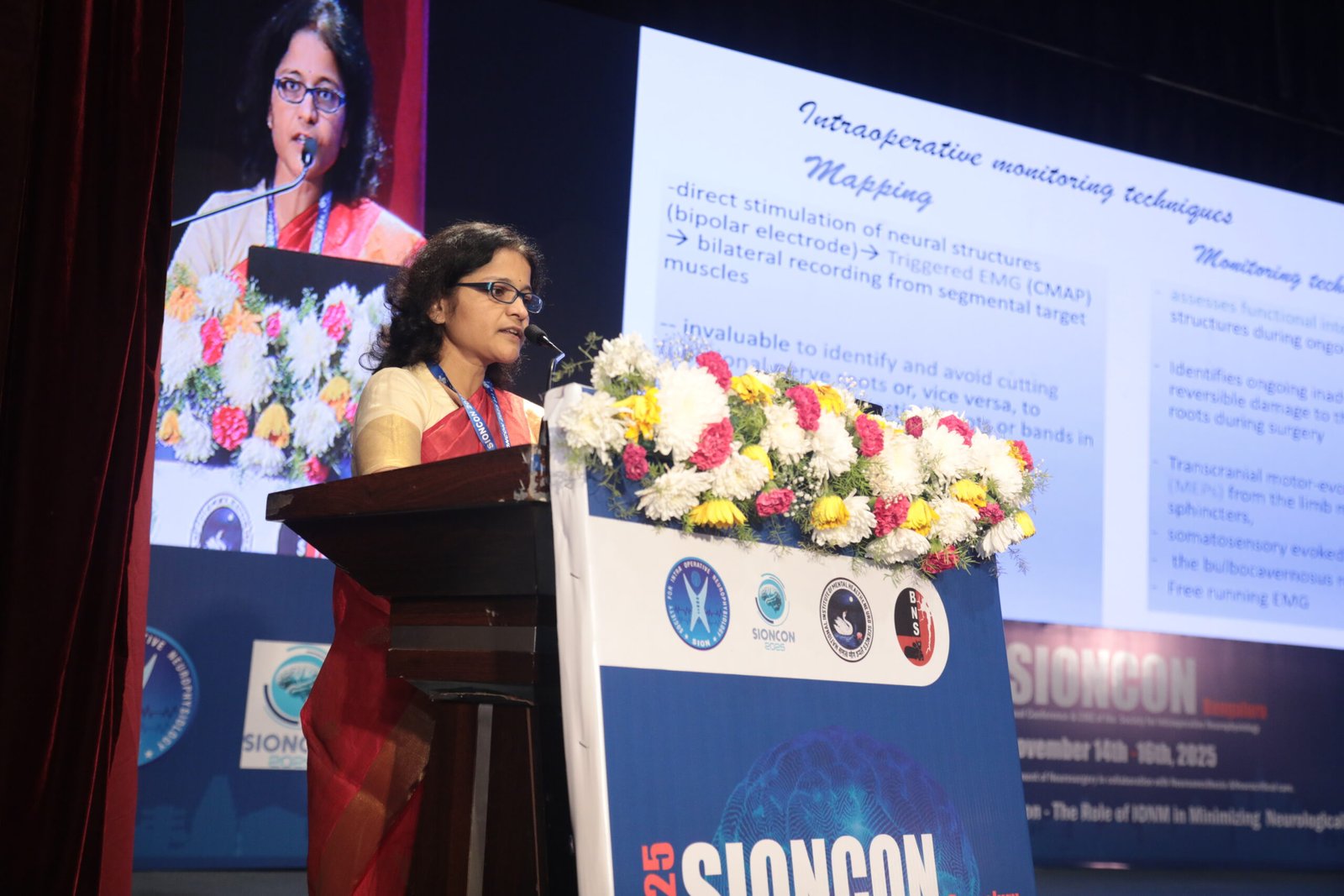
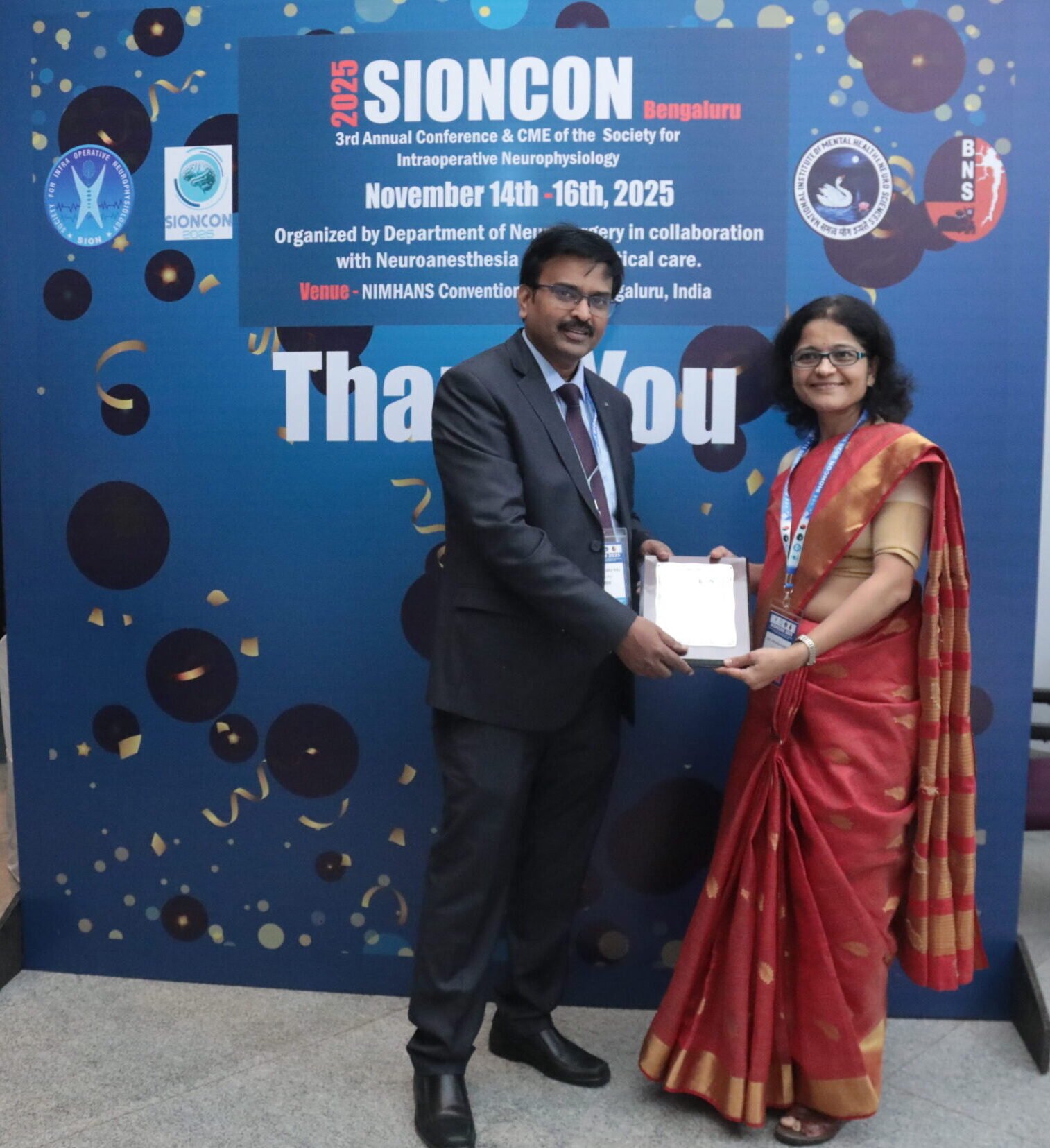
- Delivered talk on “ Challenges in Intraoperative neuromonitoring (IONM) in children with spinal dysraphism” at 3rd Annual Conference & CME of the Society for Intraoperative Neurophysiology “SIONCON” in Nov 20025 at NIMHANS Conventional Bengaluru, India.
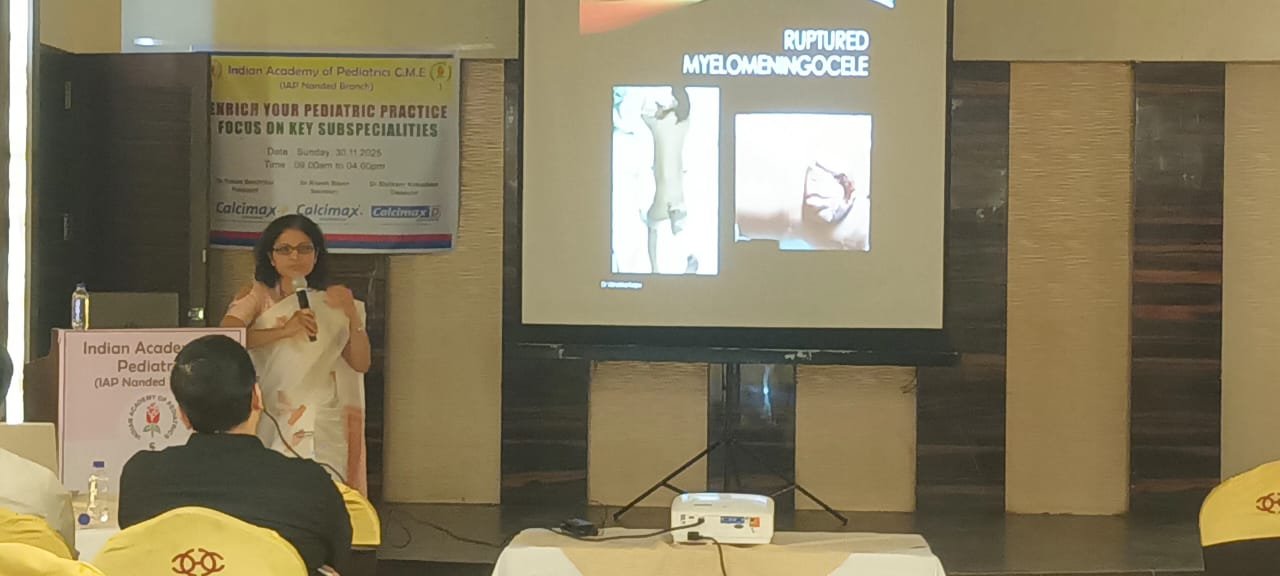
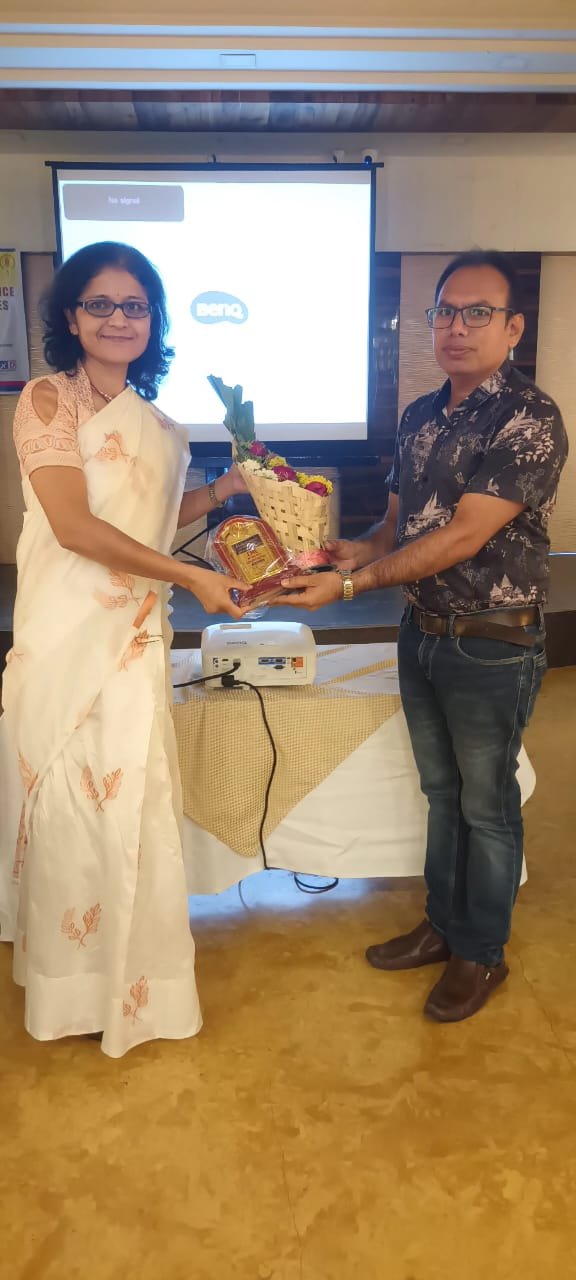
- Delivered awareness talk for Pediatricians on “Pediatric Neurosurgery for Pediatricians” in the CME of Association Indian Academy of Pediatrics Nanded Branch in November 2025 in Nanded ( Maharashtra).
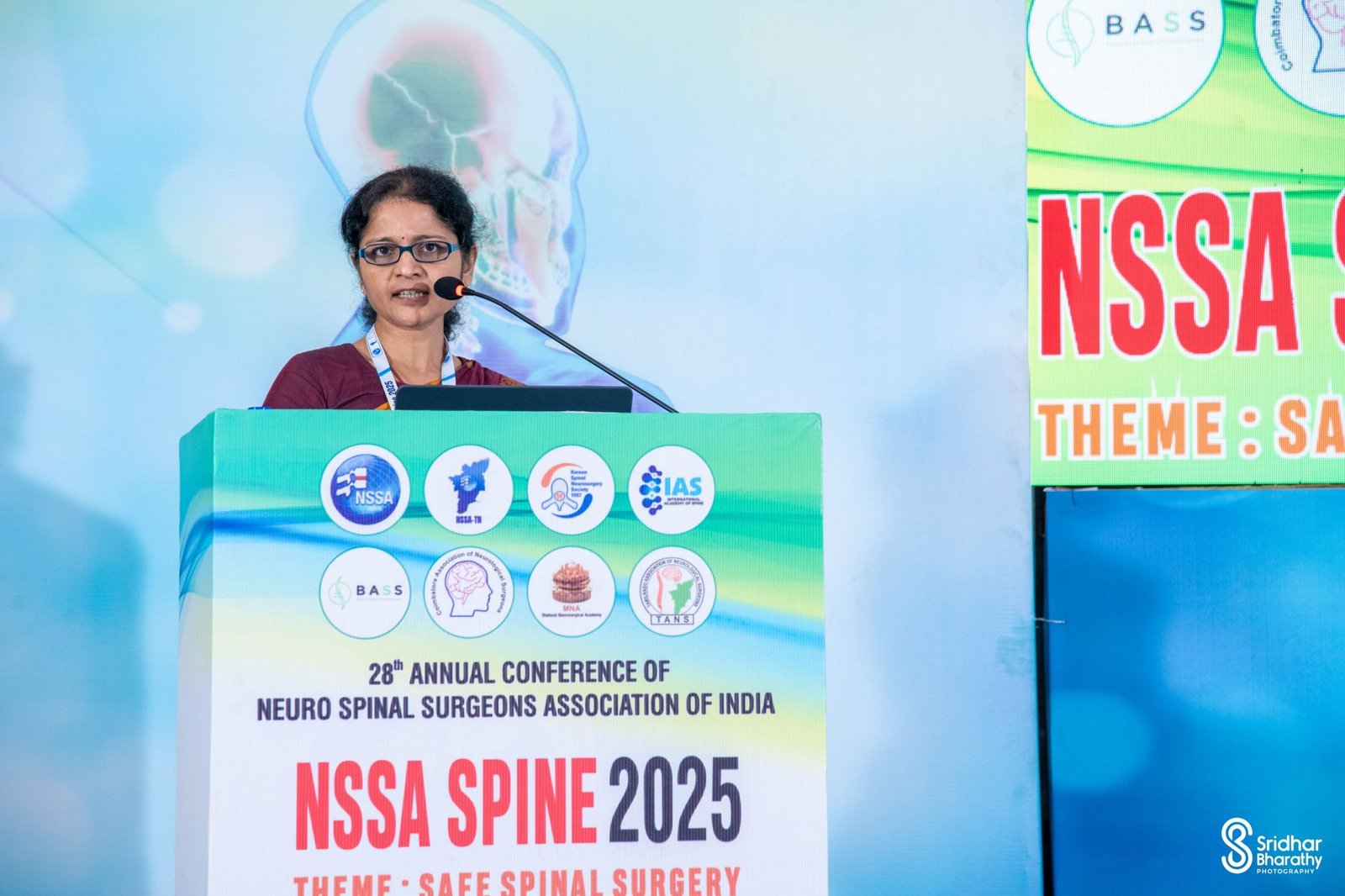
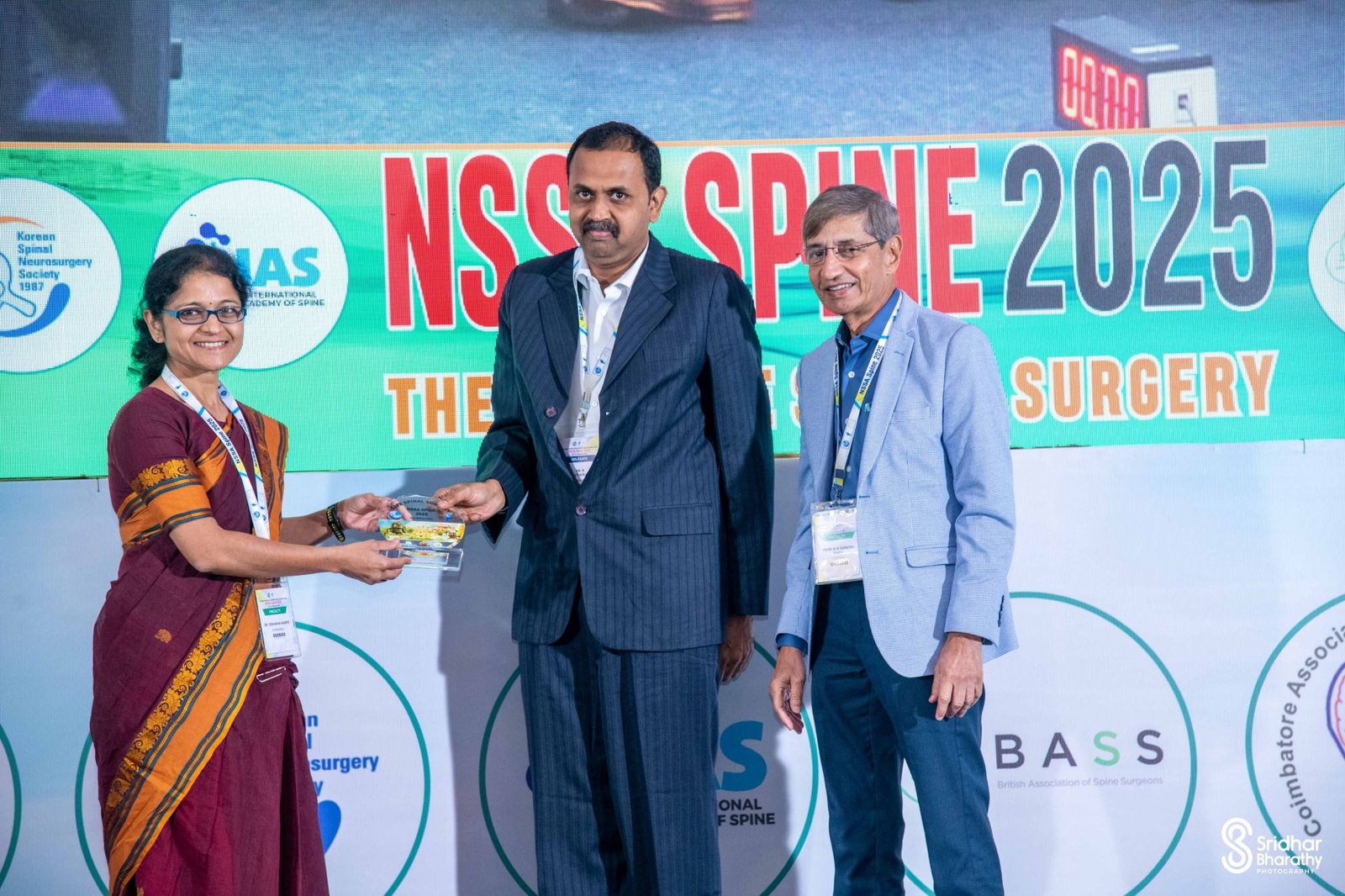
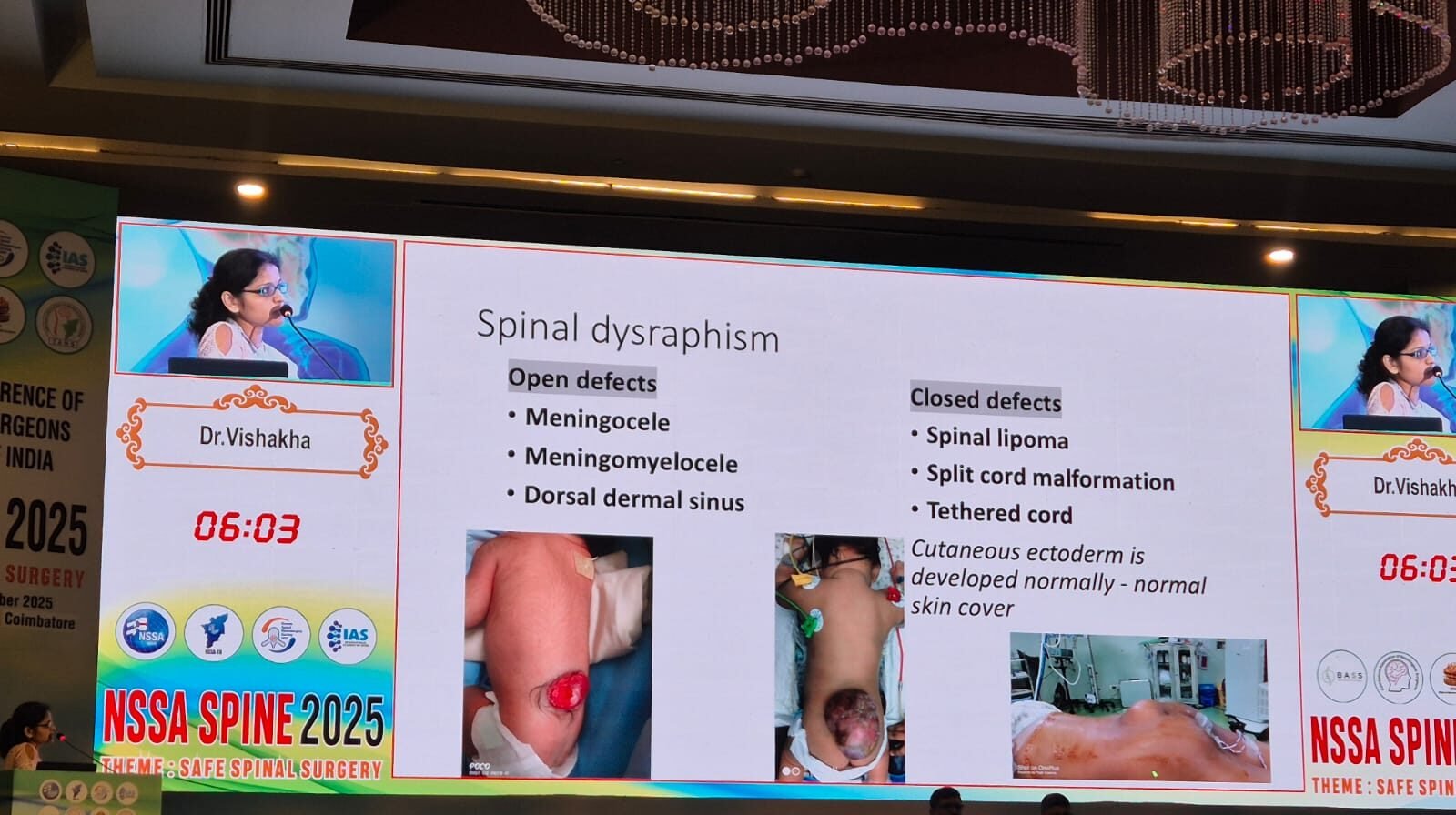
- Presented lectures on 1. Navigating Complexity : Modern Strategies for Safe Pediatric Spinal Lipoma Surgery 2.Evolving Paradigms in the treatment of spinal dysraphism timing and the surgical strategies Art of management at ( Neuro Spinal Surgeons Association, conference ) NSSA SPINE in Sep 2025 at Coimbatore.
Key take a ways :
For spinal lipomas :
- Early and precise diagnosis is crucial for planning effective surgeries and care.
- Prophylactic surgery is indicated for almost all spinal lipomas.
- Combining microsurgical techniques with neurophysiologic monitoring IONM enhances safety and neurological outcomes in spinal lipoma cases.
Spinal dysraphism management :
- Surgical treatment focuses on untethering neural structures while preserving function. A deep understanding of spinal dysraphism’s embryology supports accurate classification and targeted interventions.
- Timely surgery for spinal dysraphism prevents neurological deterioration and improves patient quality of life.
- Prophylactic surgery is indicated in almost all closed spinal dysraphism except a few very complex cases.
- Multidisciplinary teamwork, patient-family education, and rehabilitation are key to sustained success
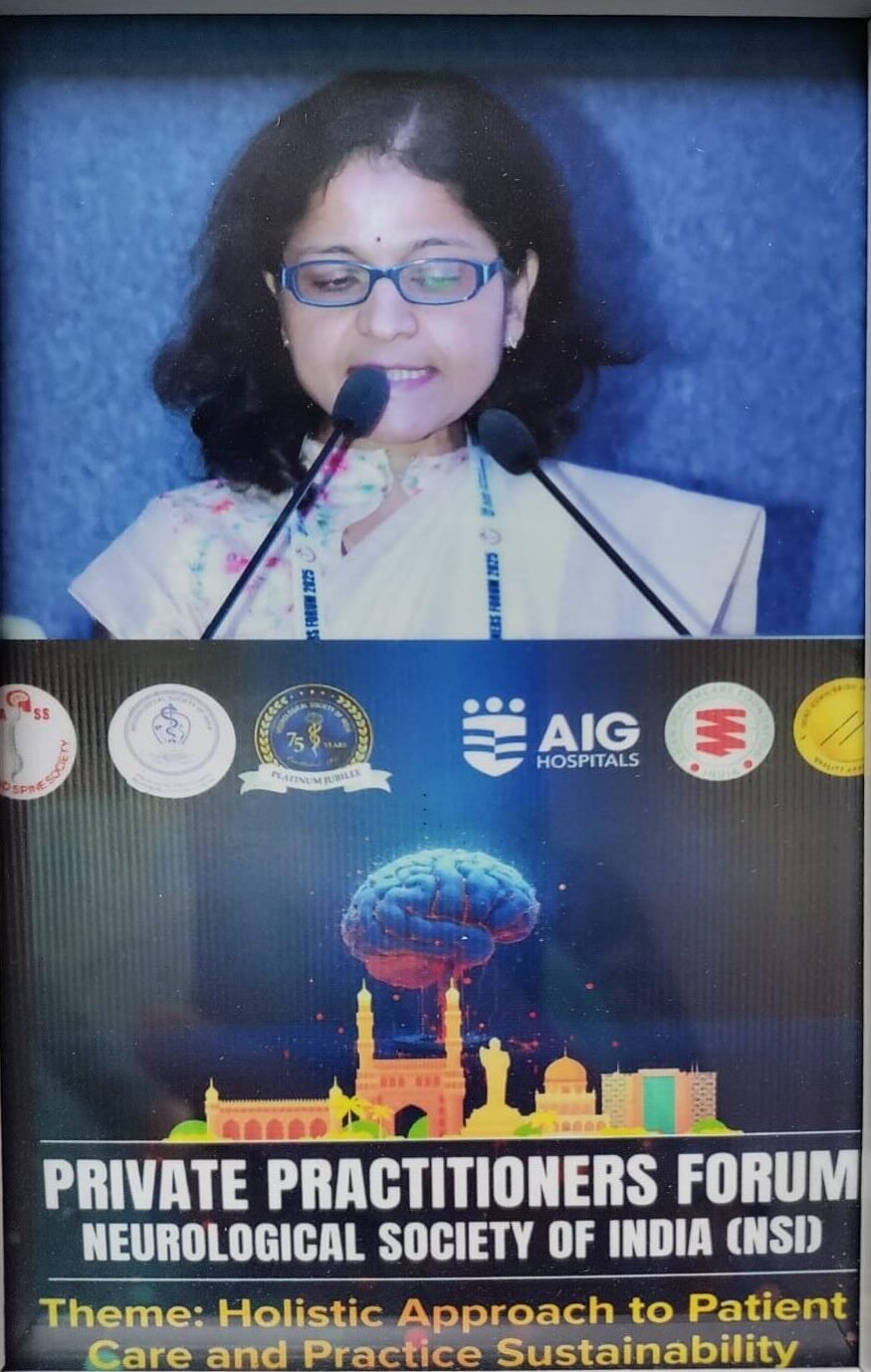
- Delivered talk on “Life Beyond the OR : How creative and athletic pursuits create work life integration and improve surgical excellence” in Private practitioners forum Neurological Society of India (NSI) conference (NSI -PPF) Holistic Approach to Patient Care Practice Sustainability in July 2025 at Hyderabad.
- Work-Life Integration..…rather than work -life balance.
- Athletic and creative pursuits not only reduces burnout but improves surgical excellence
- Wholesome life is more gratifying.
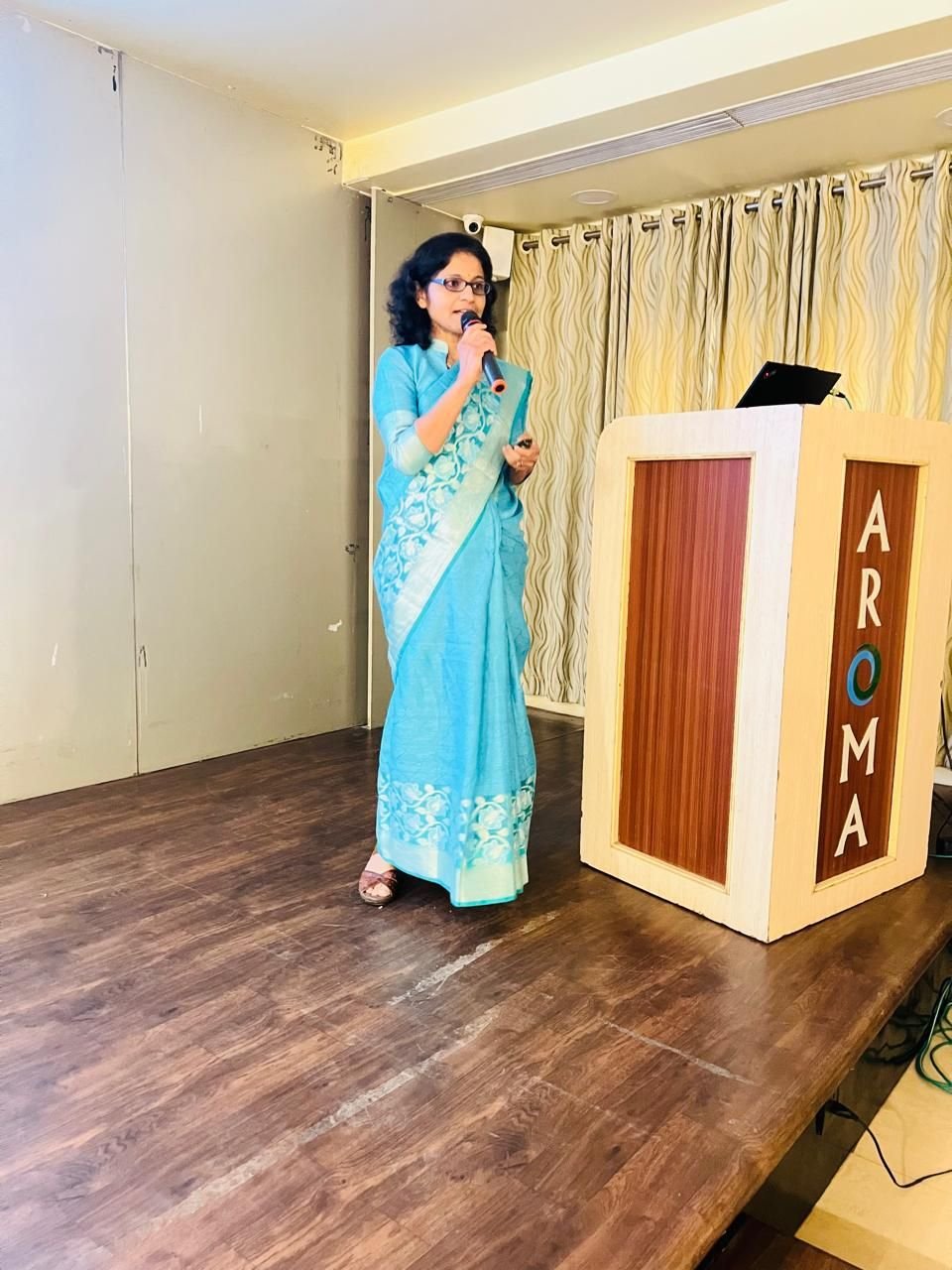
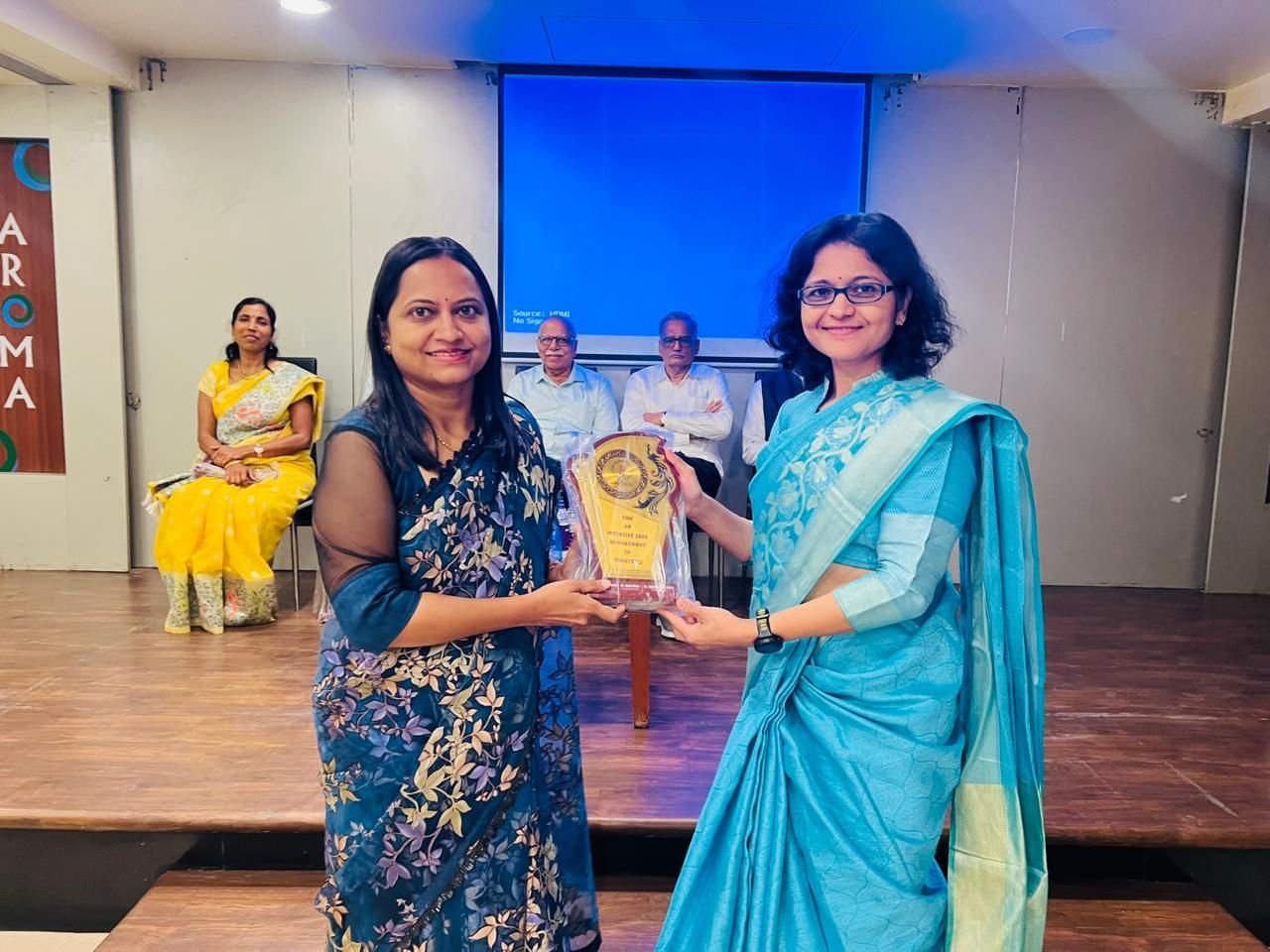
- Gave an awareness talk on practicing pediatricians “Beyond the Growth Charts : Recognizing, Evaluating, and Managing Cranial Abnormalities in Children” in the CME on Intensive Care Management In Pediatrics in July 2025 at Latur, maharashtra
- The importance of early recognition of abnormal head shapes beyond standard growth charts,
- Comprehensive evaluation techniques combining clinical and imaging tools.
- Early identification of craniosynostosis Vs positional plagiocephaly
- Evidence-based management strategies for craniosynostosis to optimize neurodevelopmental outcomes.
- If presented early (<6 months) , craniosynostosis can be treated with minimally invasive endoscopic surgery.
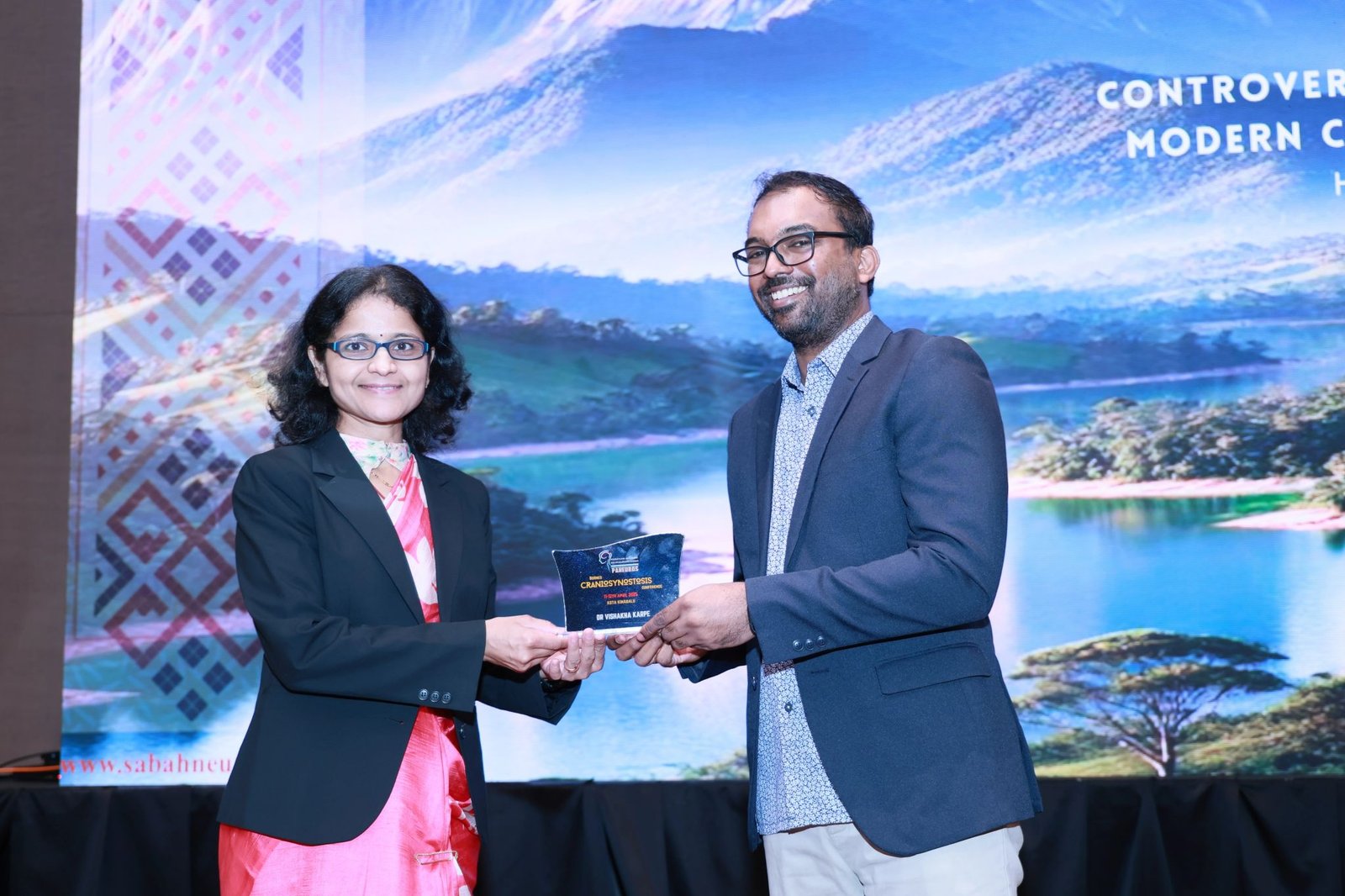
- Delivered talk on “Management of complications in Craniosynostosis surgeries” in 1st Borneo Craniosynostosis conference on April 2025 at Kotakinabalu in Malaysia.
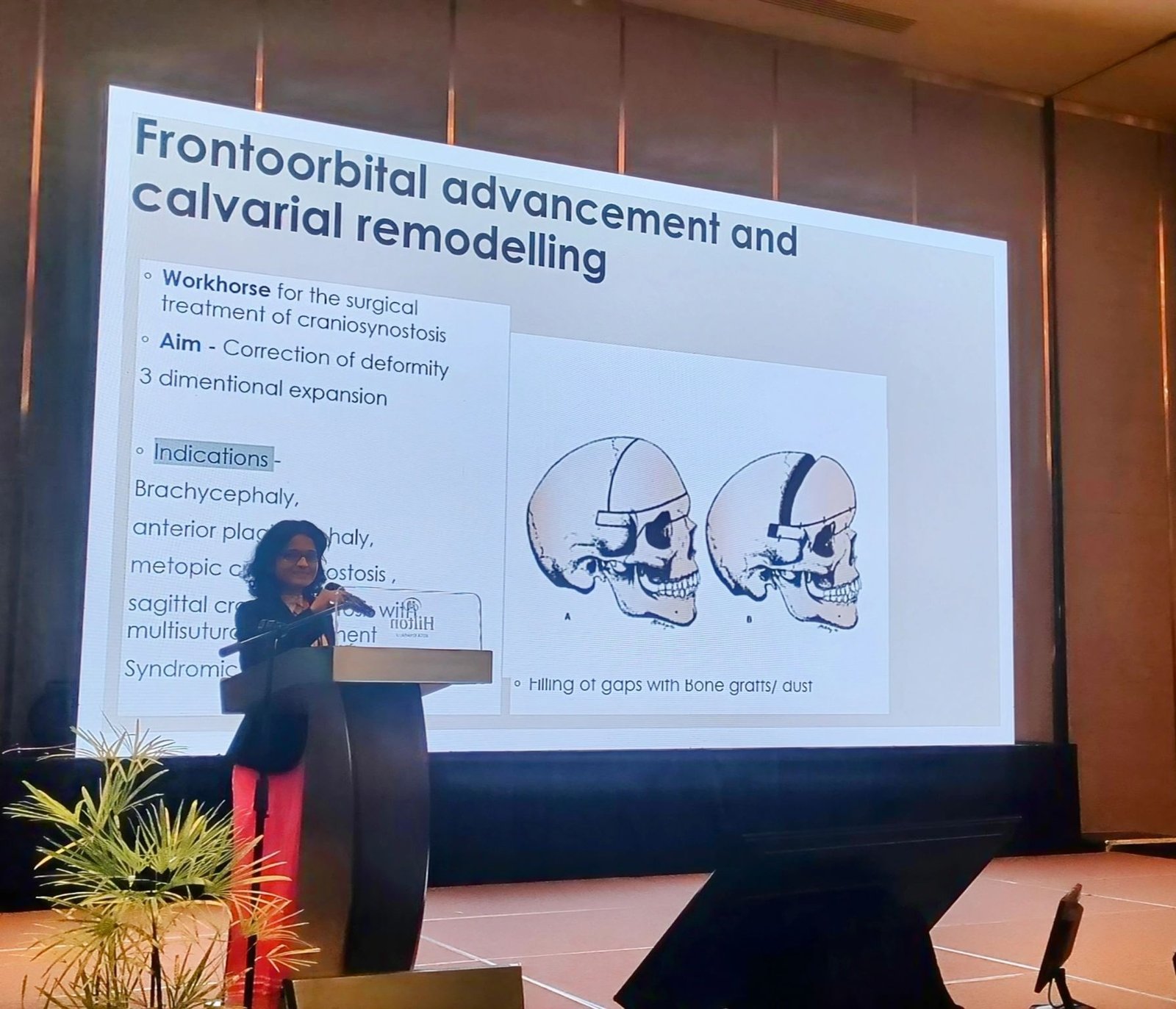
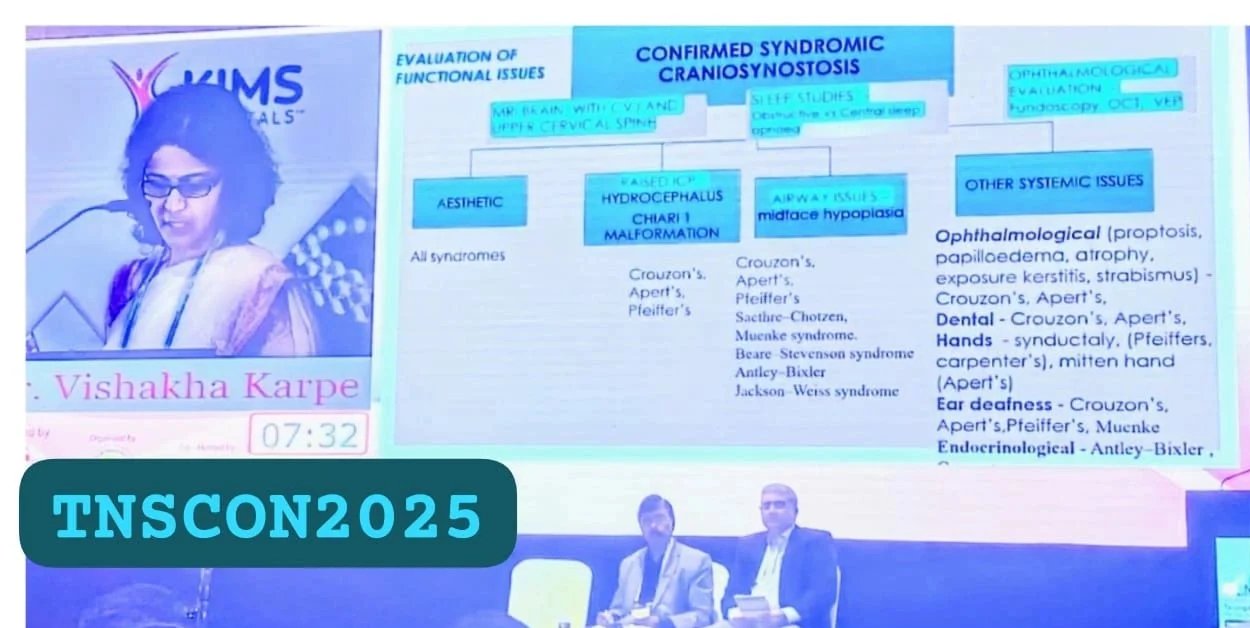
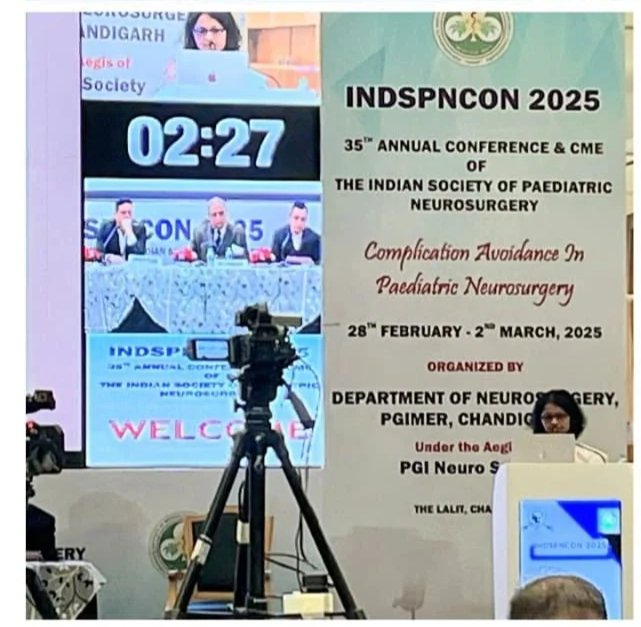
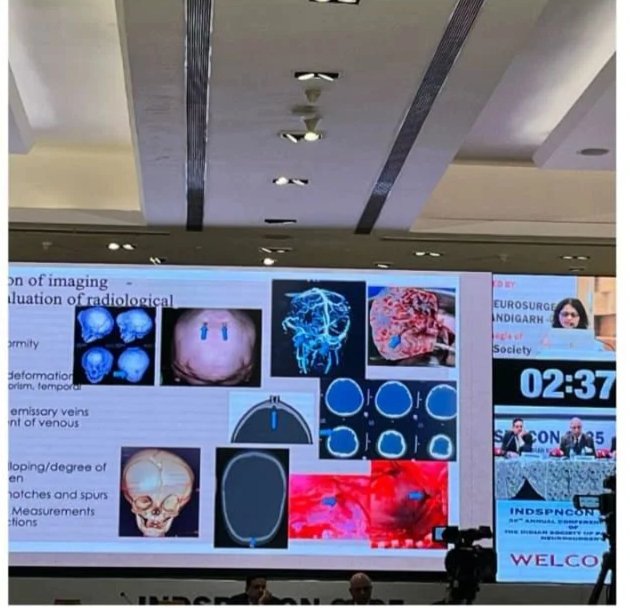
- Delivered talk on “ Frontoorbital advancement and calvarial remodelling surgery” for Craniosynostosis in Telangana society of neurosciences conference (TNSCON )2025 at Hyderabad and Indian society of pediatric neurosurgery conference (INDSPCON ) in Feb 2025 at Chandigarh, India
- Abnormal head shapes of children have to be timely evaluated – rule out craniosynostosis (premature fusion of sutures)
- Craniosynostosis has not only cosmetic but developmental problems.
- If diagnosed early (3- 6 months), can be treated with minimally invasive (endoscopic) surgeries.
- Late diagnosis increases risks of complications. So act early!!!
- Open surgical treatment of craniosynostosis in older children includes Frontoorbital advancement and calvarial remodelling. It gives immediate correction of shape abnormality and creates space for brain growth.
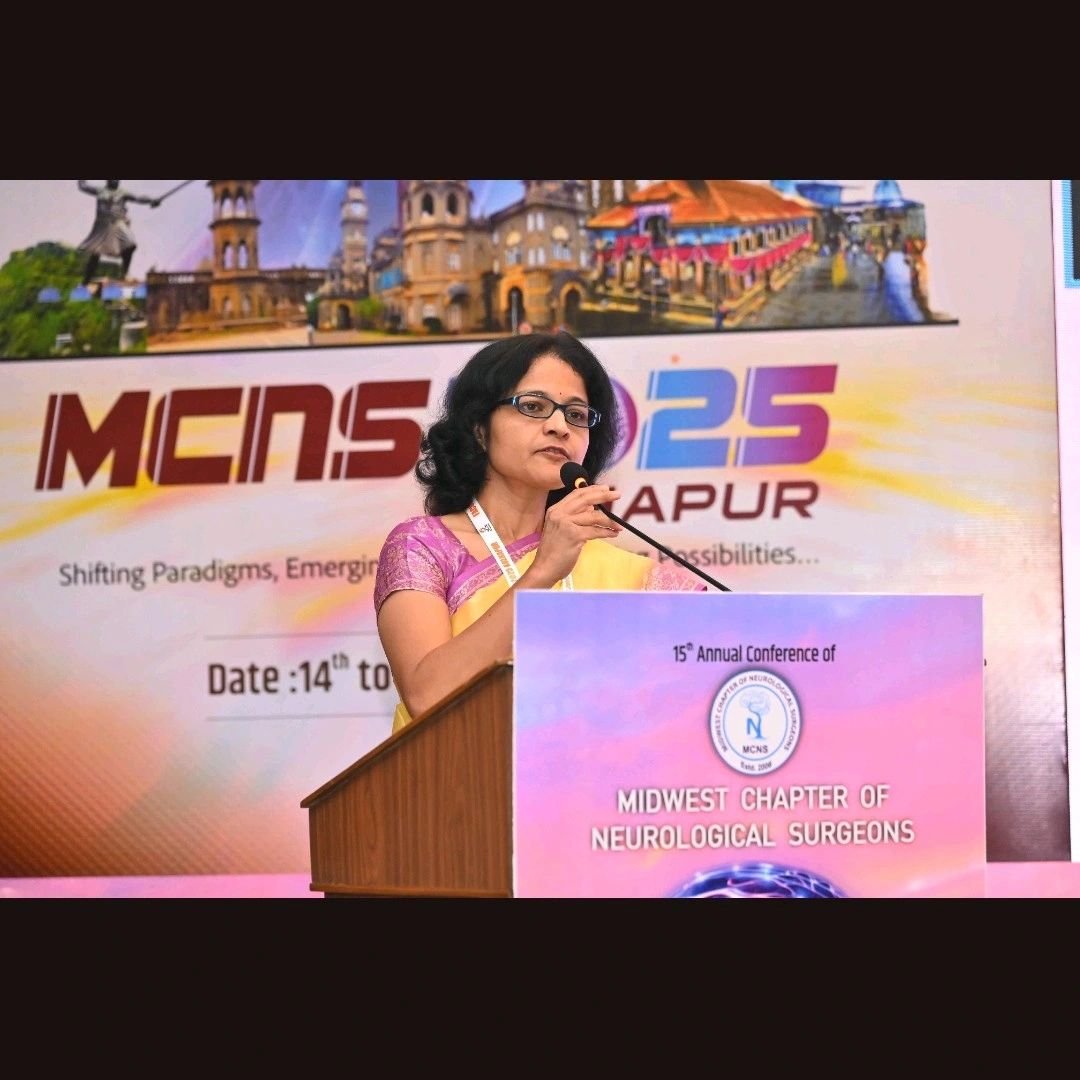
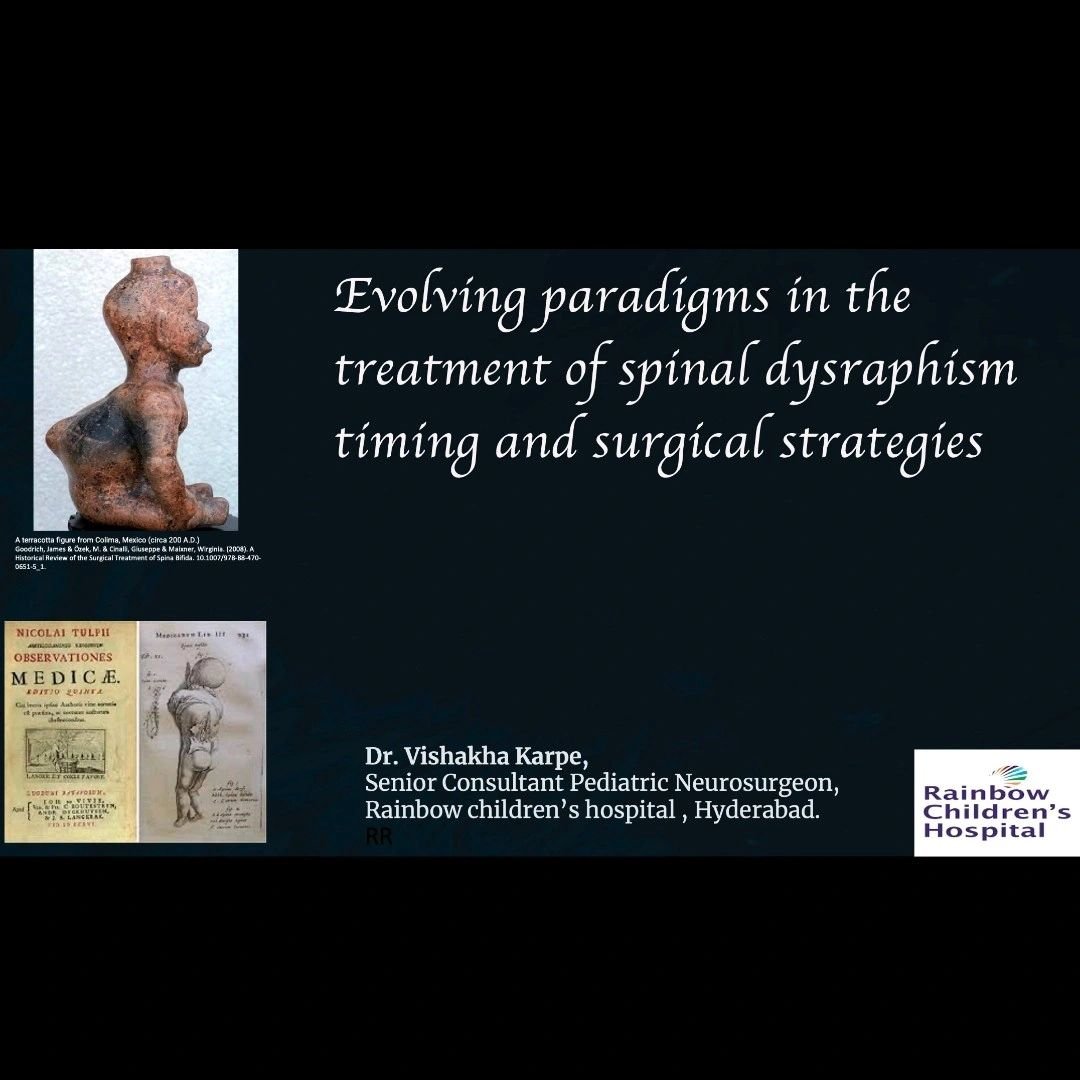
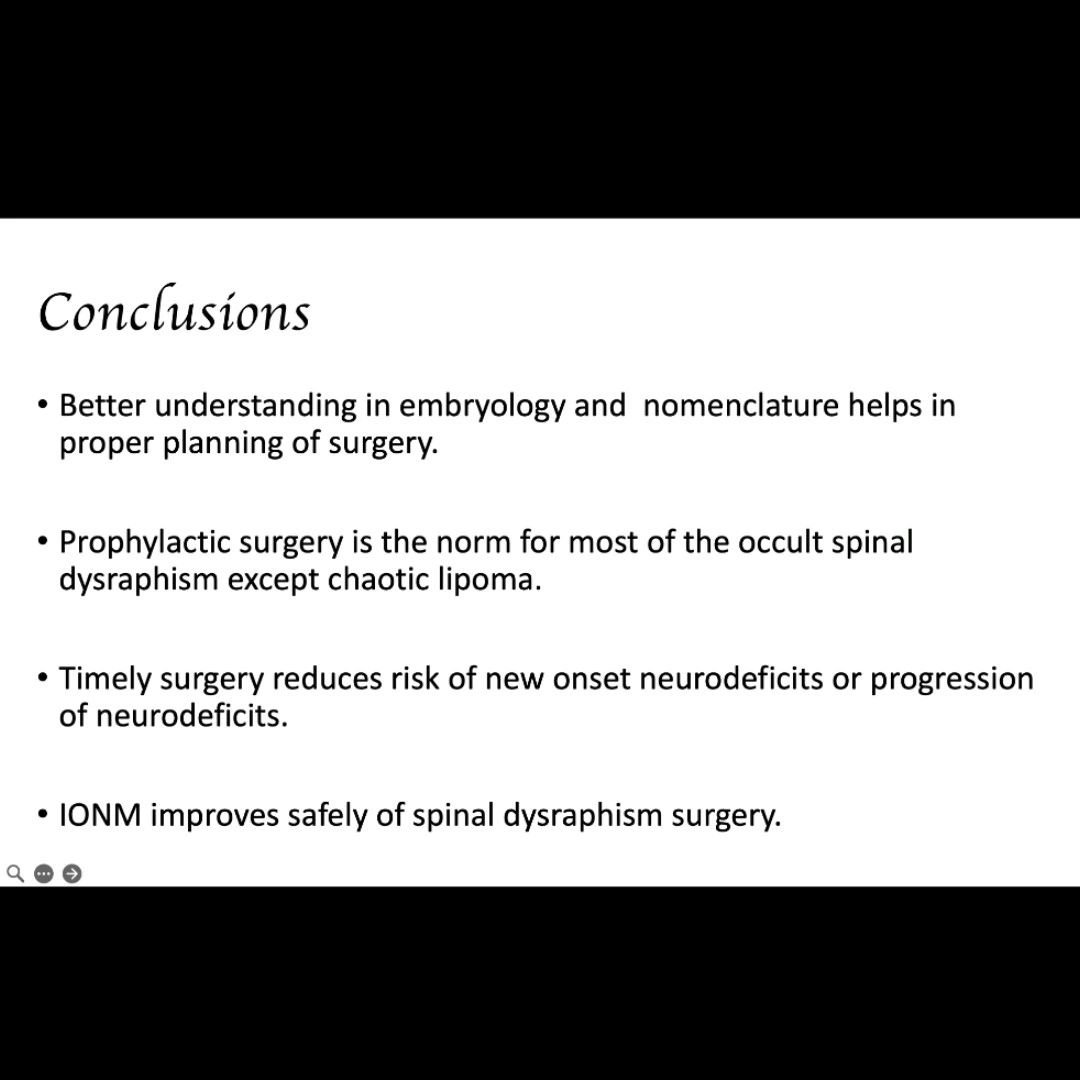
- Delivered talks on ”Evolving paradigms in spinal dysraphism surgery , timings and surgical strategies” in neurosurgical society conference MCNS in Feb 2025 at Kolhapur, Maharashtra.
- Prophylactic surgery is the norm except in a few cases of chaotic spinal lipomas.
- IONM intraoperative neuro monitoring is recommended in all complex spinal dysraphism.
- Good outcomes can be achieved with timely surgery.
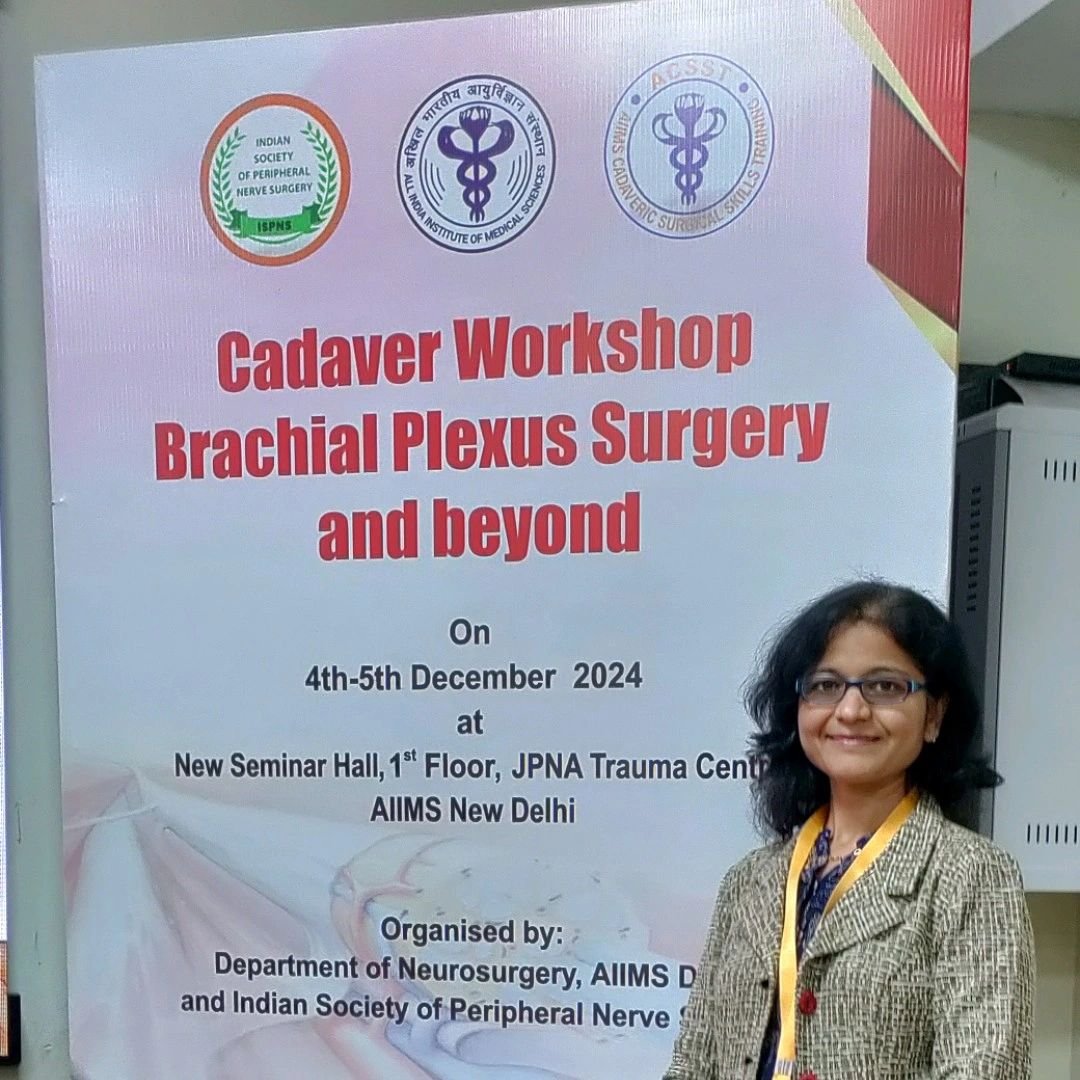
- Participated in the cadaveric hands on workshop on Birth brachial plexus injury (BBPP) in December 2024 at AIIMS Delhi.
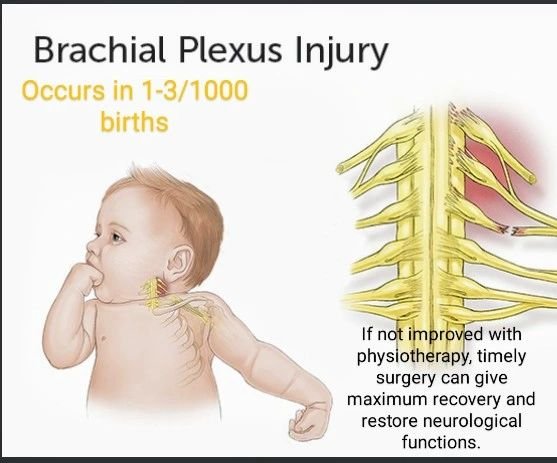
Birth brachial plexus injury (BBPP), is unfortunately a rather common injury in newborn. The incidence of BBPP varies between 0.15-3 per 1000 live births. A majority of these patients improve spontaneously, however, a large subset of them don’t recover, requiring either a primary or secondary surgical intervention and up to 35% of children may have some degree of life-long functional impairment of the affected limb.Management of children with BBPP depends upon the degree of nerve injury and involvement. A multidisciplinary team approach incorporating rehabilitation strategies and surgical interventions can help to optimize recovery and prevent long-term impairment. Secondary deformities in BBPP are common but many of these deformities are preventable or at least correctable with timely intervention. Patients and parents must be advocated for regular follow-ups with both the physiotherapists and the treating surgeon. Gratifying results with immense satisfaction could be achieved in these patients with appropriate surgical intervention.
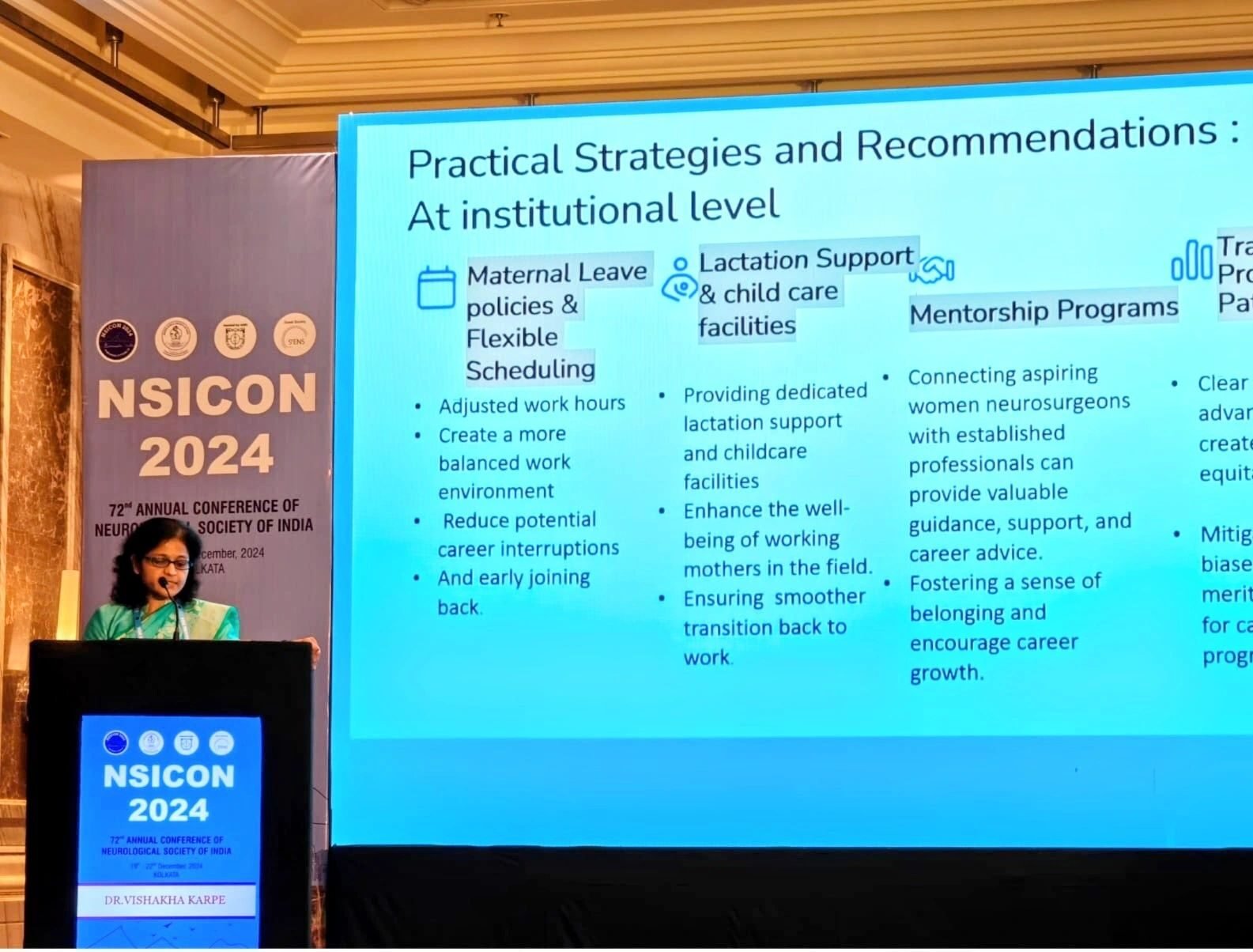
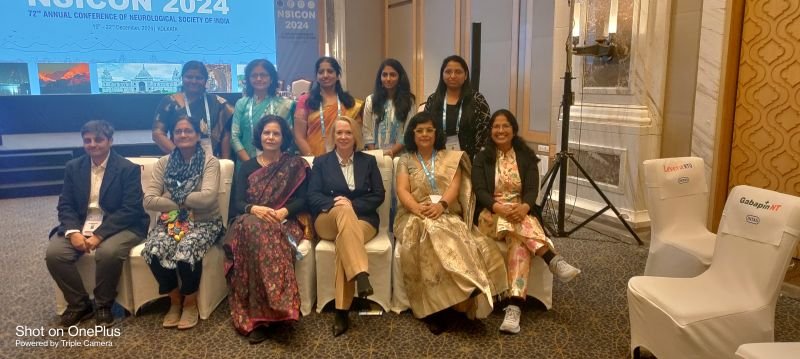
- Delivered a talk on ”Motherhood and Neurosurgery” (Neurological Society of India Conference) NSICON on Dec 2024 at Kolkata.
- There will be conflict between biological clock and career clock.
- Career clock can pause but biological clock can not…
- Don’t bounce back after pregnancy, bounce forward
- Embrace the grace of pregnancy
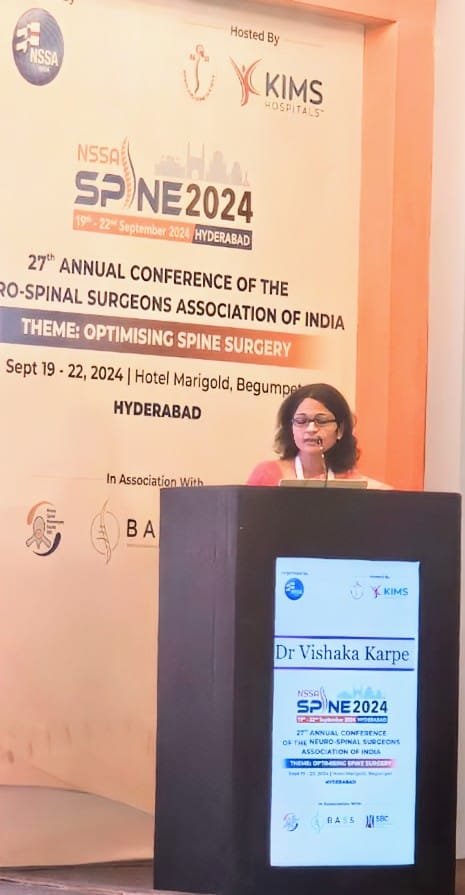
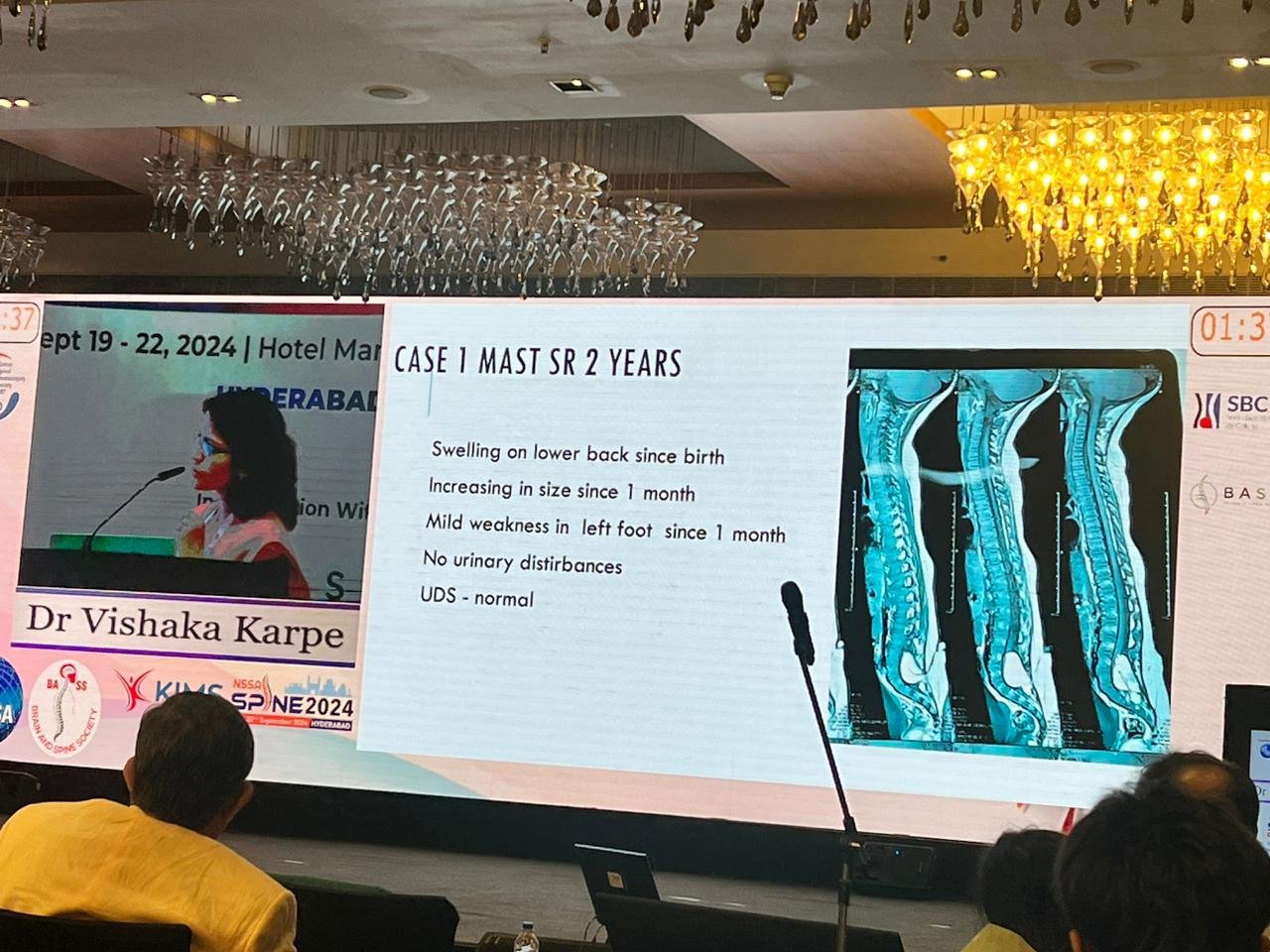
- Presented paper on “Navigating through complex spine lipomas” in ( Neuro Spinal Surgeons Association conference ) NSSA SPINE in sep 2024 at Hyderabad, India.
- Bridging insights in spinal lipoma management
- Simplifying decision making and surgery planning
- Optimizing long-term outcomes for pediatric patients
- Simplifying complex surgical techniques for better efficiency and safety
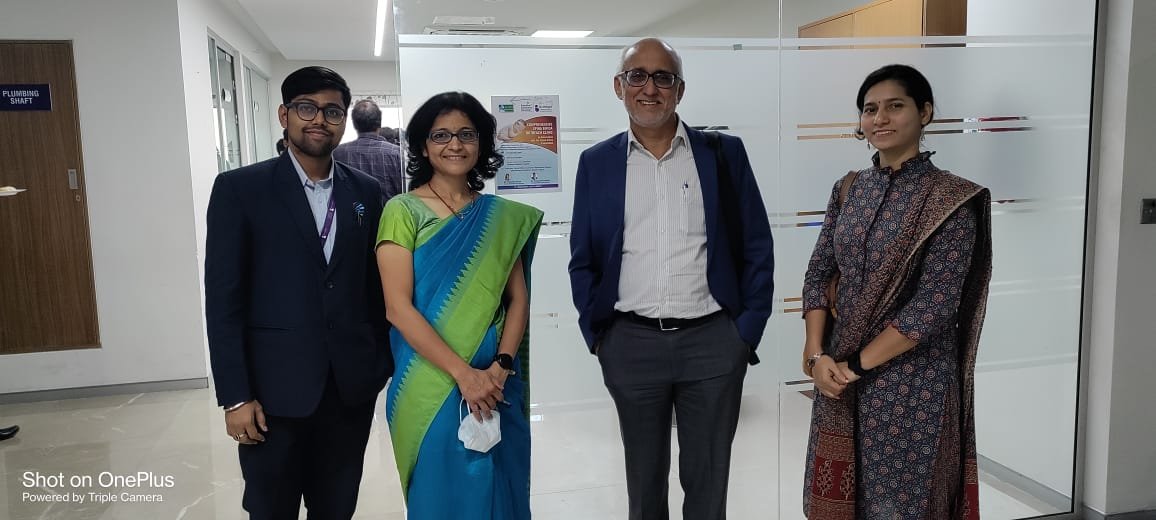
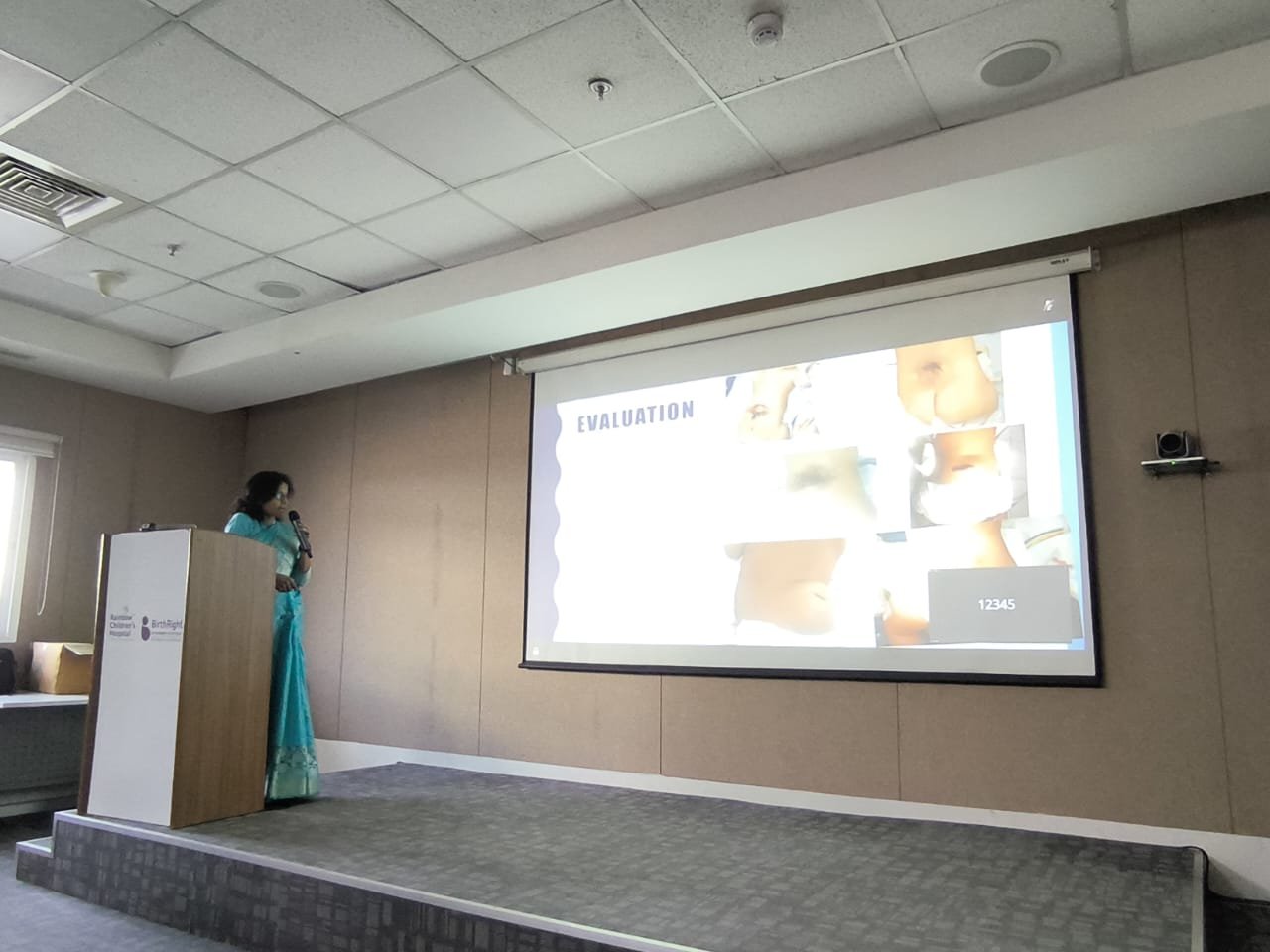
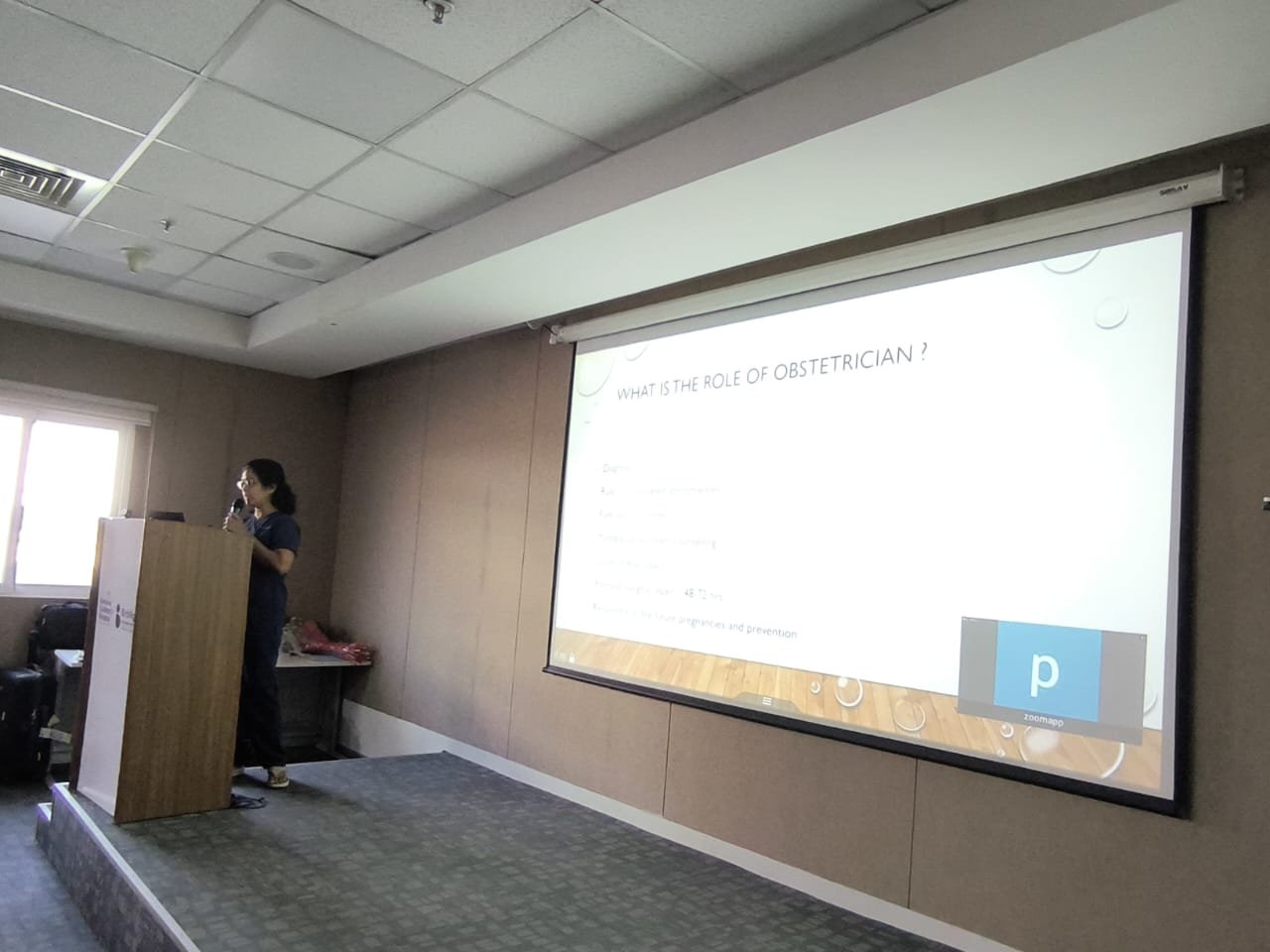
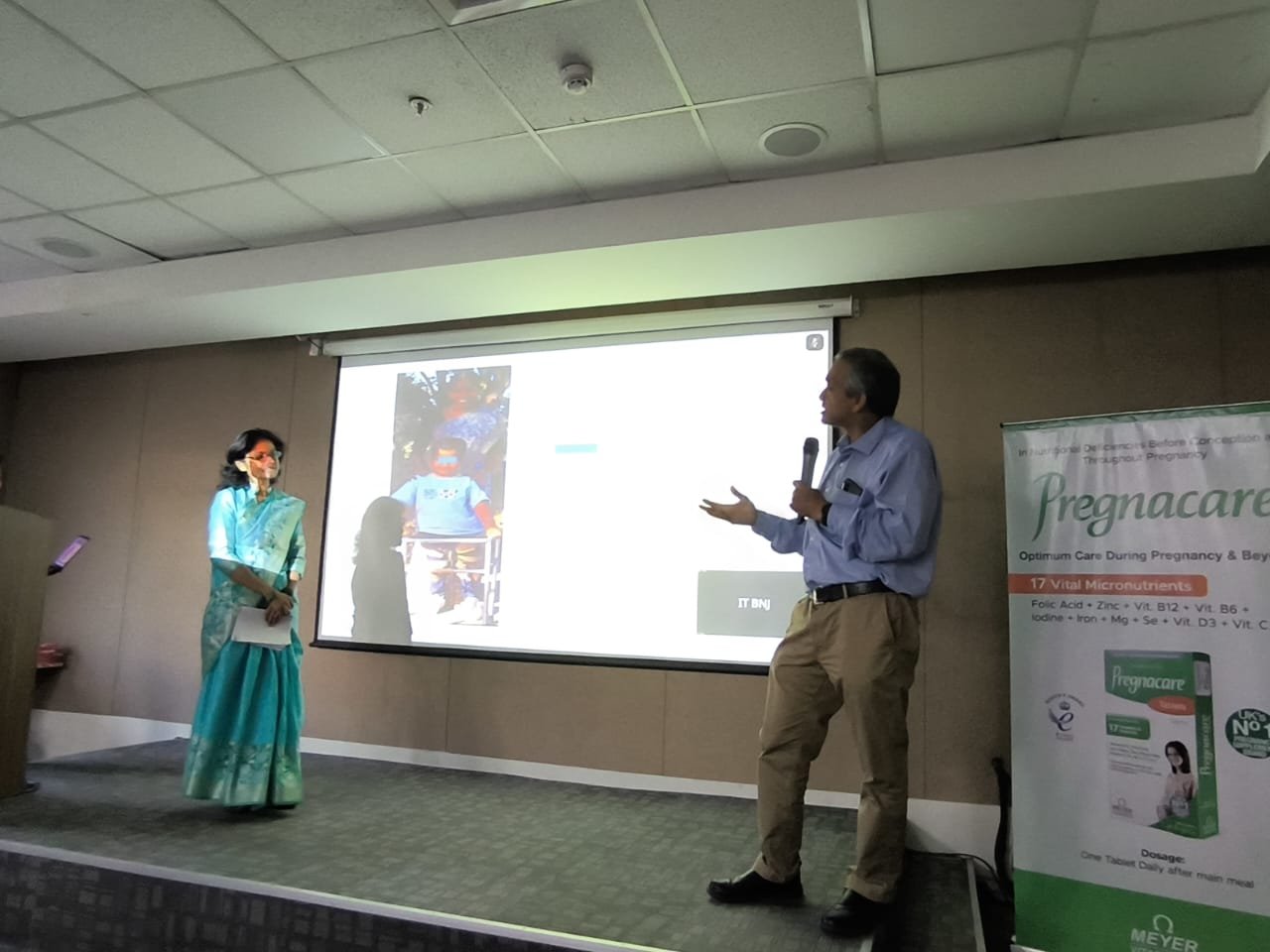
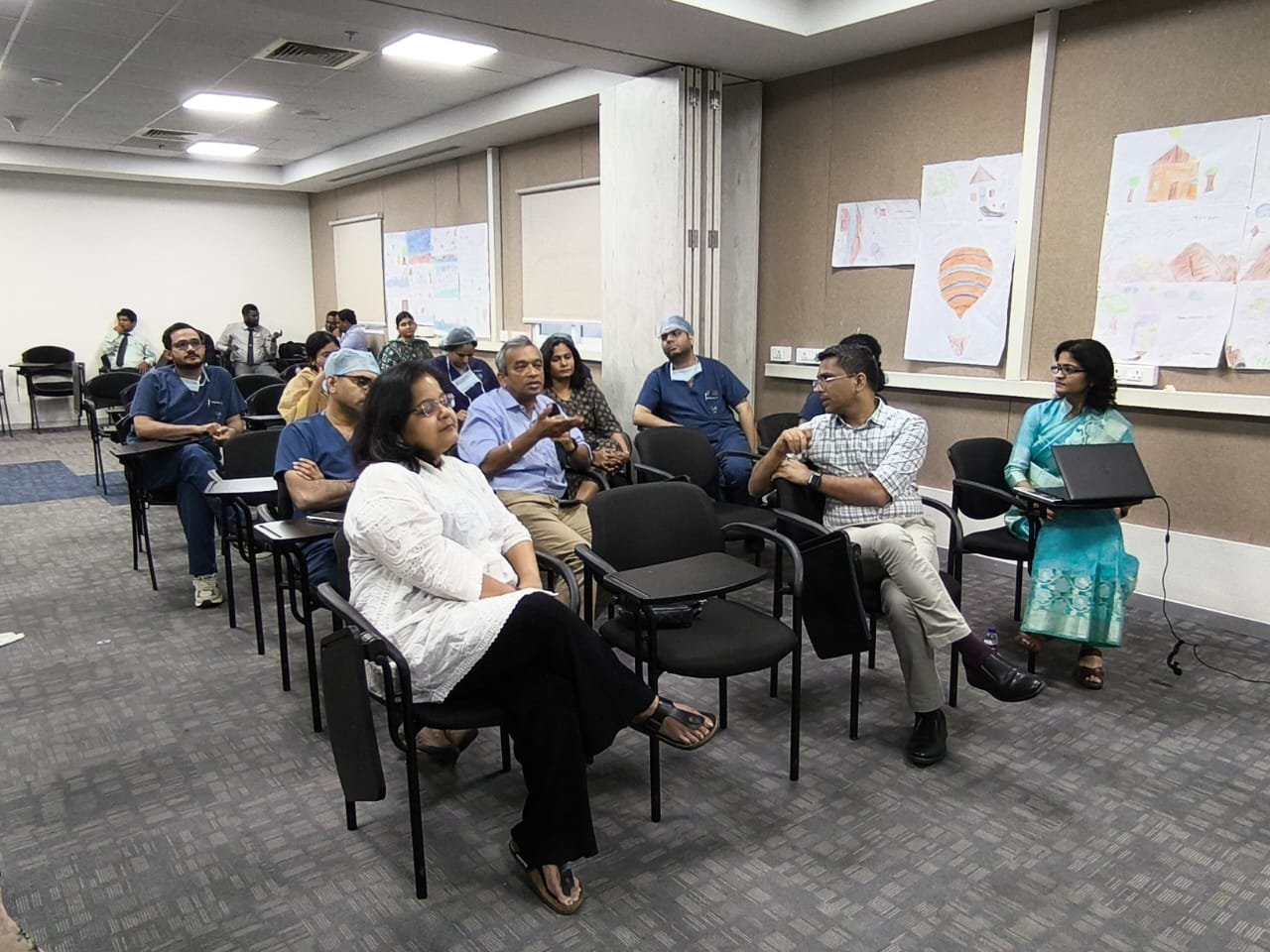
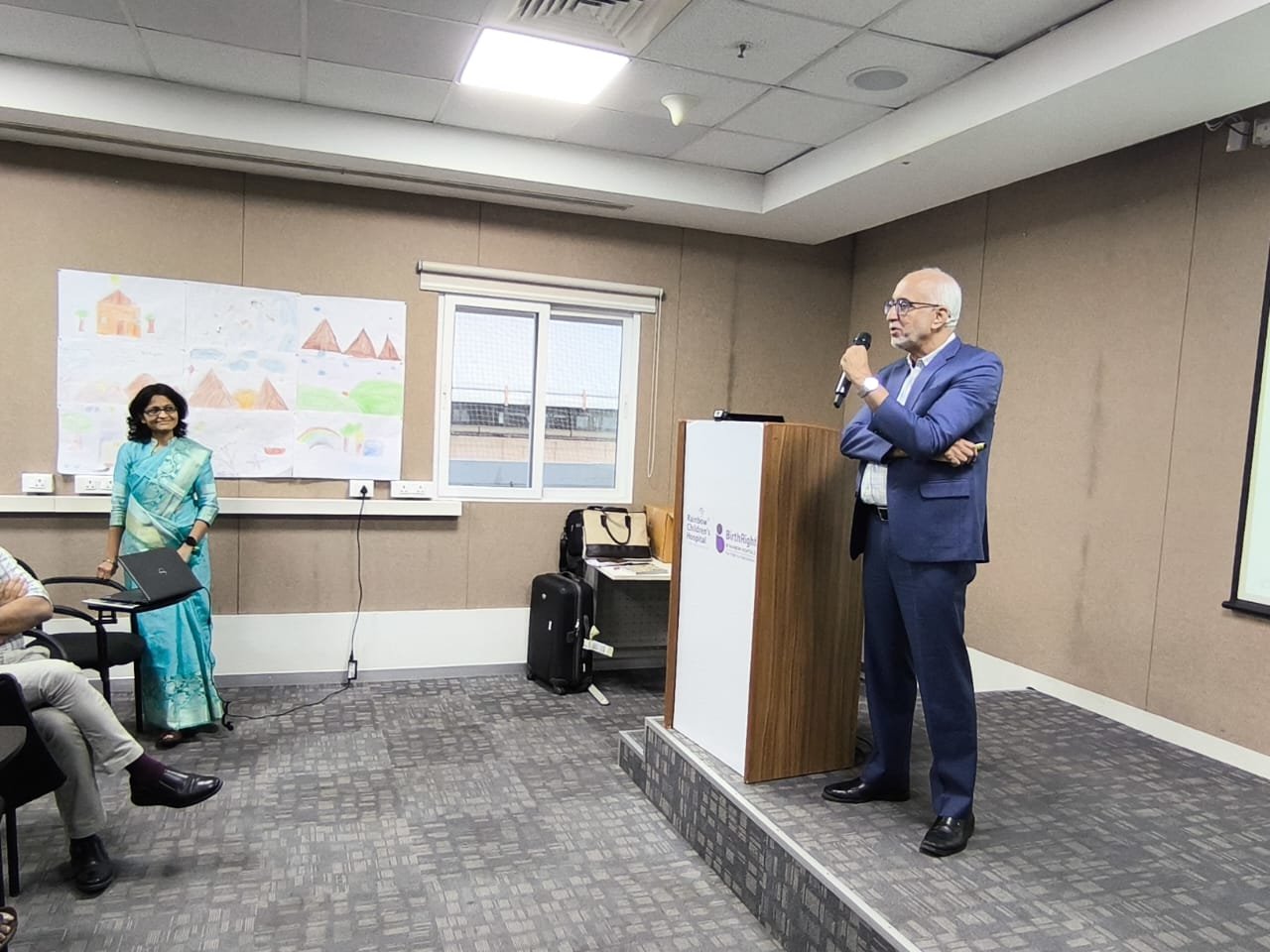
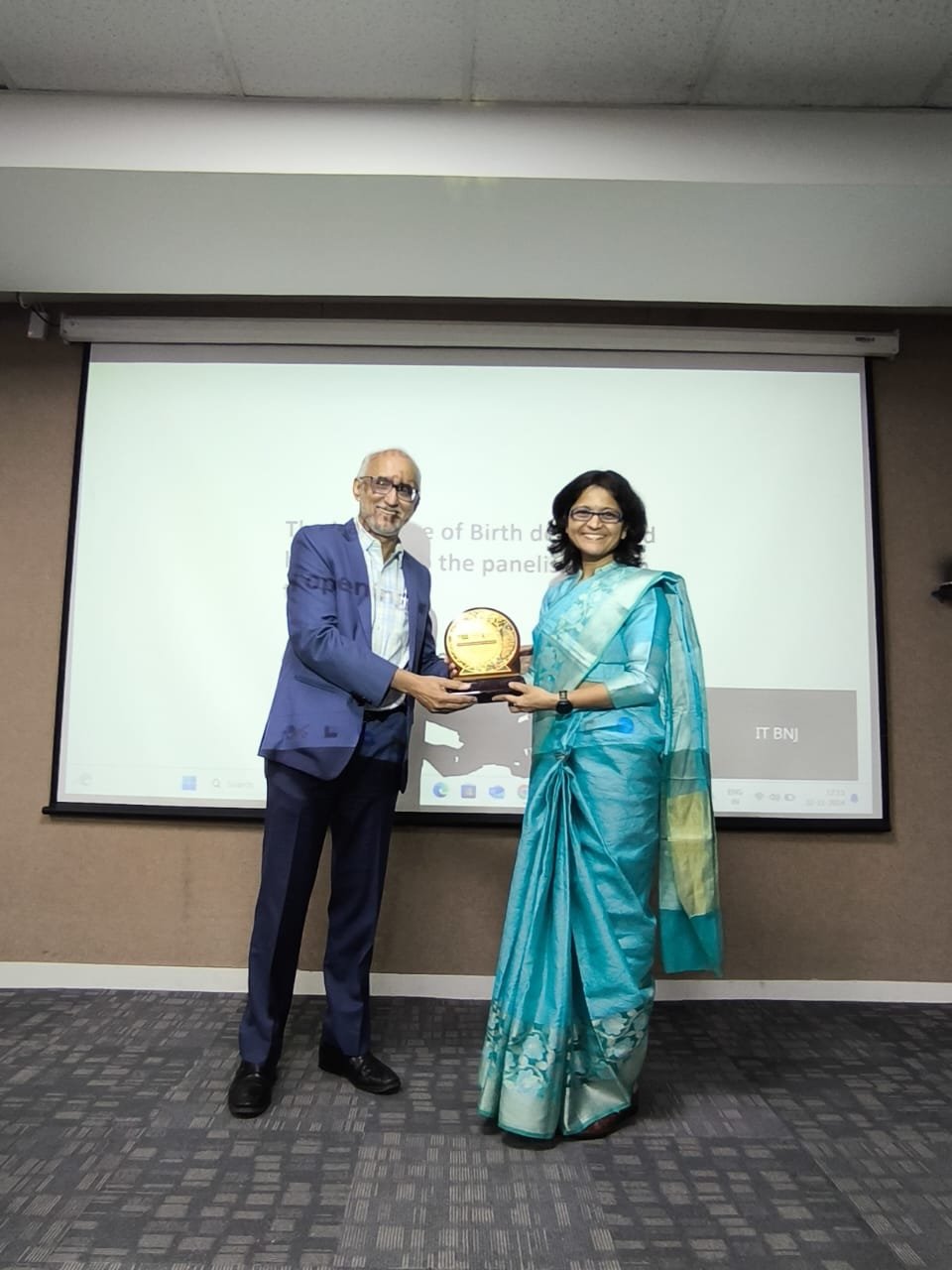
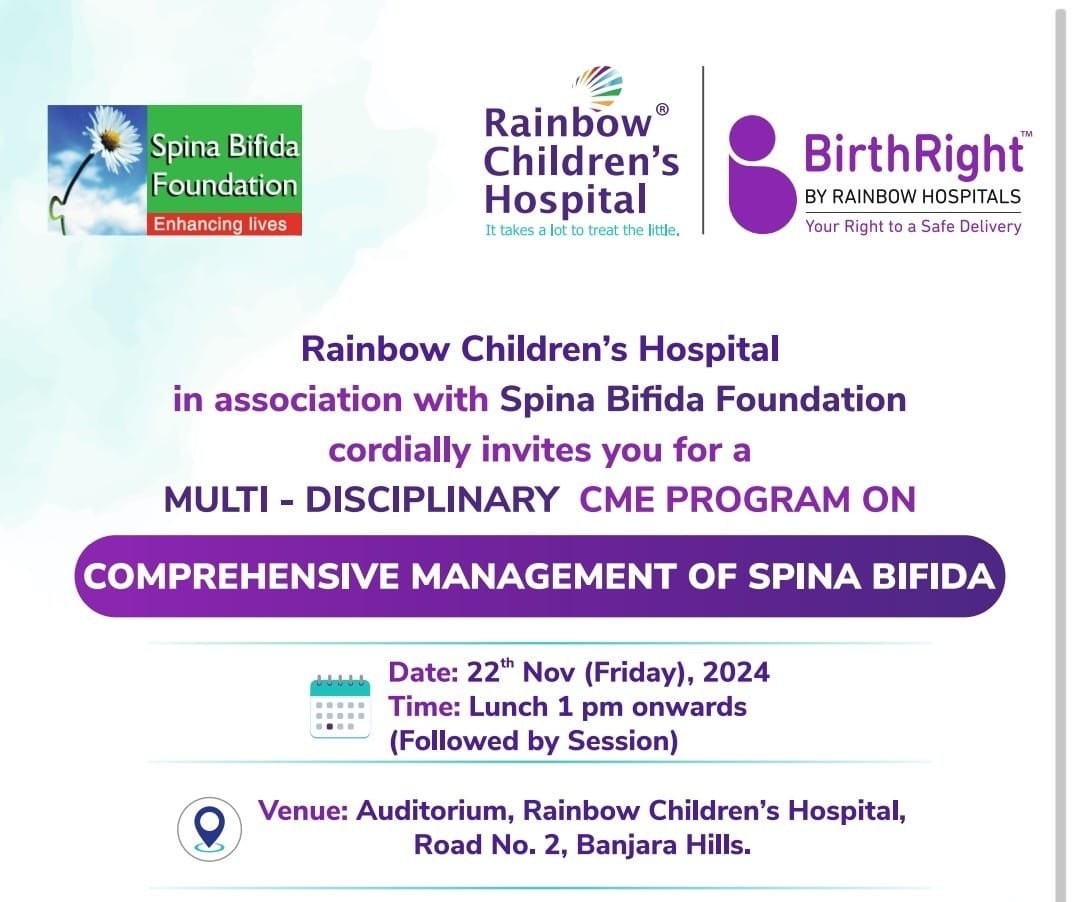
- Organised First “Comprehensive Spina bifida multidisciplinary CME” and multidisciplinary clinic for Spina bifida in association with Spina Bifida Foundation in November 2024 in Hyderabad.
Spina bifida is a spectrum of complex congenital spinal defects that can present with neurological, orthopedic, urological issues.
The importance of comprehensive multidisciplinary management of Spina bifida cannot be overstated, as it directly influences the patient’s quality of life, independence, and overall well-being.
The effective care goes far beyond initial surgical interventions, encompassing medical, developmental, psychological, and social support throughout a patient’s lifetime. So, the Comprehensive management of spina bifida is a lifelong journey that requires personalized and patient-centered adaptive care.
The multidisciplinary team participated in a groundbreaking CME dedicated to comprehensive Spina Bifida management. We also conducted the “First Comprehensive Spina Bifida Clinic” successfully at our hospital.
Key Takeaways:
Integrated Approach: Need of holistic approach with multidisciplinary management combining medical, surgical, and rehabilitation interventions
Functional Optimization: Need of advanced strategies for maximizing patient mobility, independence, and quality of life
Lifecycle Perspective : Insights on need of Comprehensive transitional care – pediatric through adolescent management
- Delivered a talk on ”Approach to Syndromic Craniosynostosis” in International society of pediatric neurosurgery (ISPN) CME in July 2024 in Hyderabad.

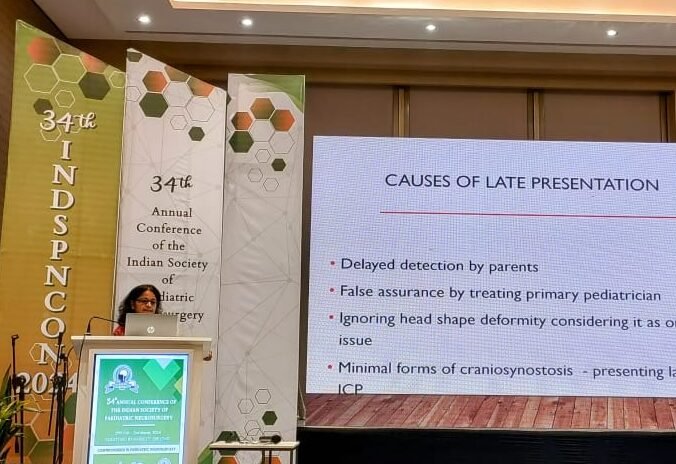
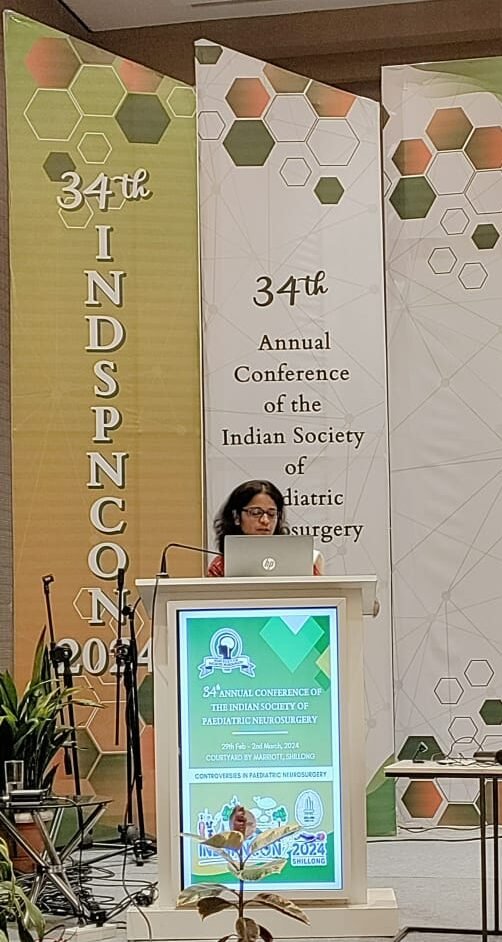
- Presented research article on “Study of Outcomes of Craniosynostosis surgery in Older Children” in The 34th Annual Conference of the Indian Society of Pediatric Neurosurgery (INDSPNCON) 2024 in Shillong, Meghalaya.
- Higher rate of morbidity with specific surgical challenges in patients with delayed presentation – neurodevelopmental , congnitive and behavioural abnormalities, sequelae of raised ICP, visual impairment, increased perioperative morbidities, technical difficulty of surgery and increased blood loss, hospital stay etc.
- Delivered awareness talk for Pediatricians on “Pediatric Neurosurgery : what Pediatricians Should know? ” in the CME of Association Indian Academy of Pediatrics Latur Branch in April 2024 in Latur ( Maharashtra).
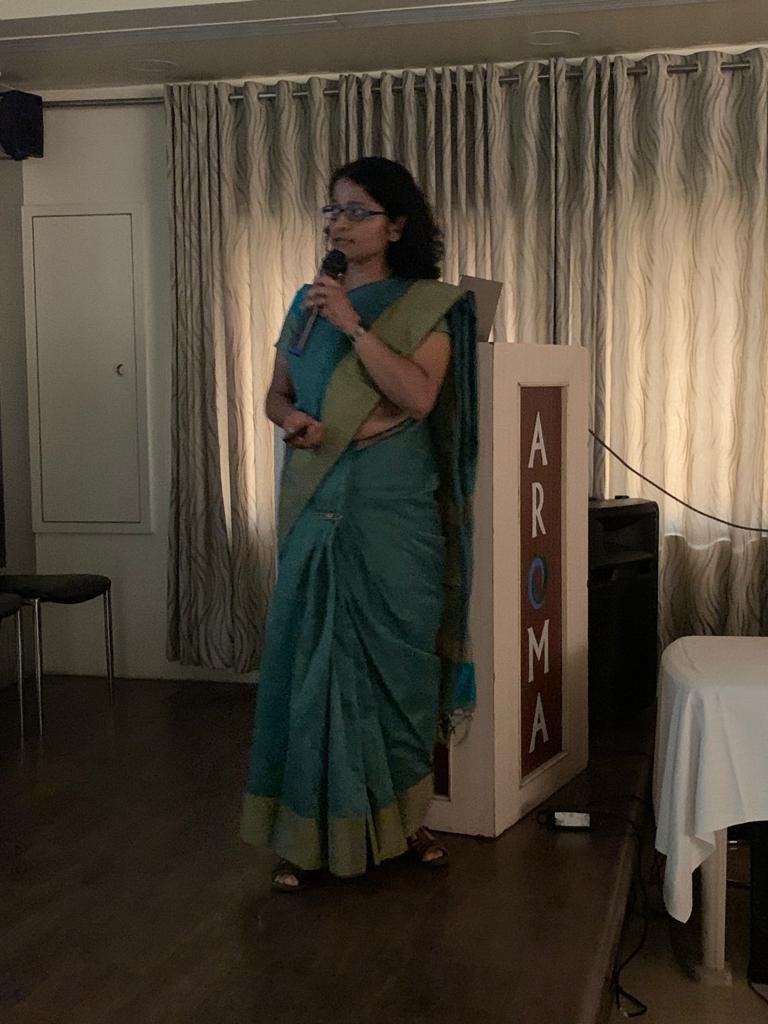
- Presented the research article on “Neurendoscopic management of cerebral infection”, in (IFNE) International Federation of Neuro Endoscopy Conference in Oct 2022 in Hyderabad Telangana.
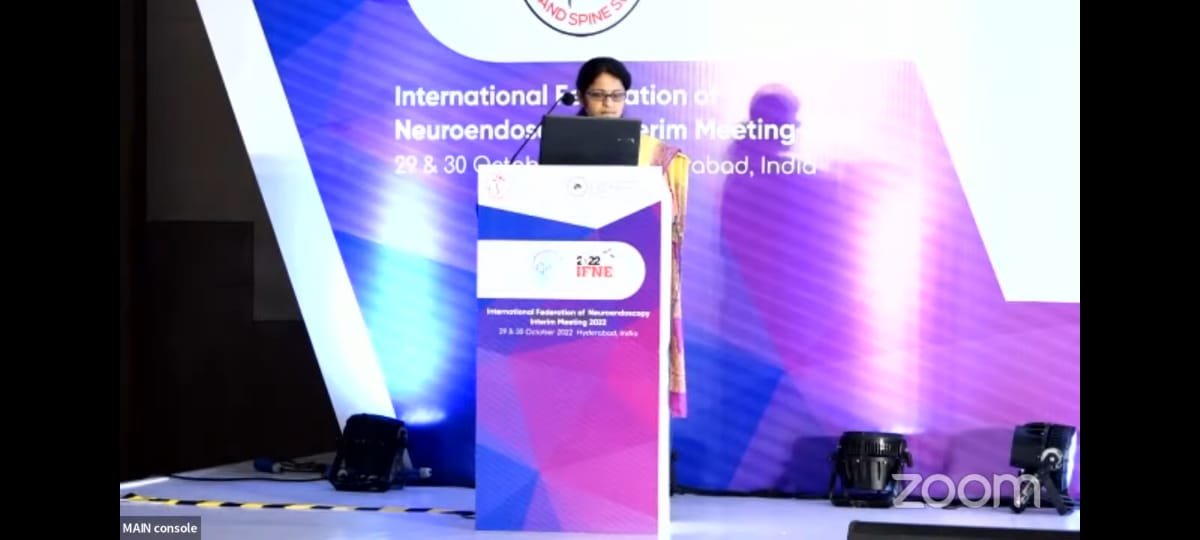
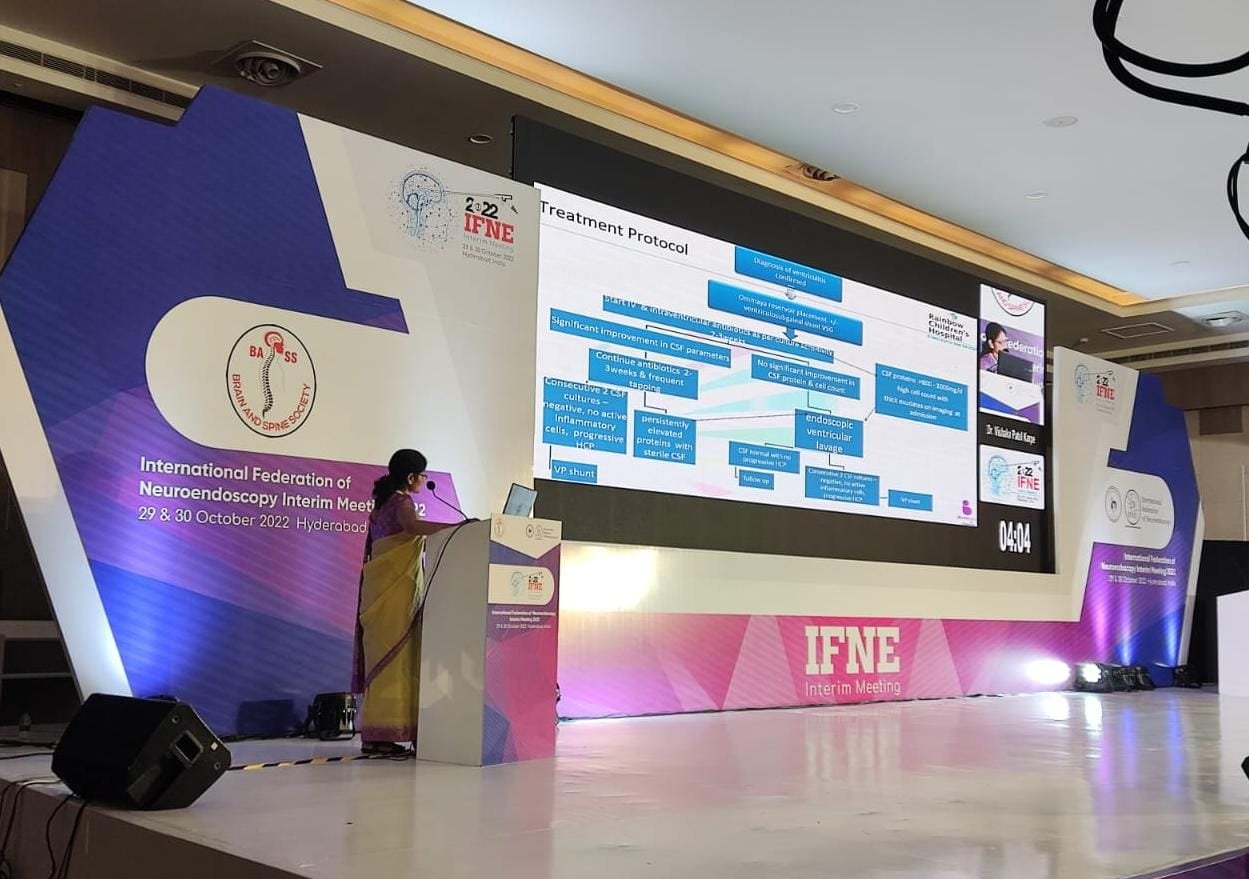
- Presented the research article on “Management of craniosynostosis our experience” in The 30th Annual Conference of the Indian Society of Pediatric Neurosurgery (INDSPNCON) in February 2020 in Kolkata, West Bengal .
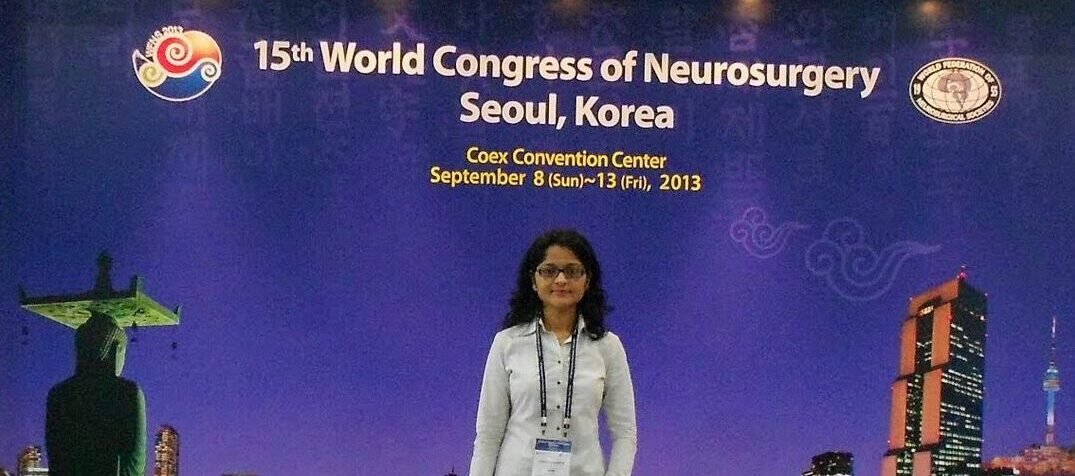
- Presented a research article on “Study of outcomes of management of Cerebral abscesses in an east Indian premier institute” at 15th World Congress of Neurosurgery (WFNS) in September 2013 in Seoul , South Korea.
- Early imaging and diagnosis improve cerebral abscess outcomes.
- Surgical aspiration plus antibiotics yields high success rates (up to 89%) over excision.
- Poor prognosis links to low GCS, immunosuppression, and delayed care in Indian settings.
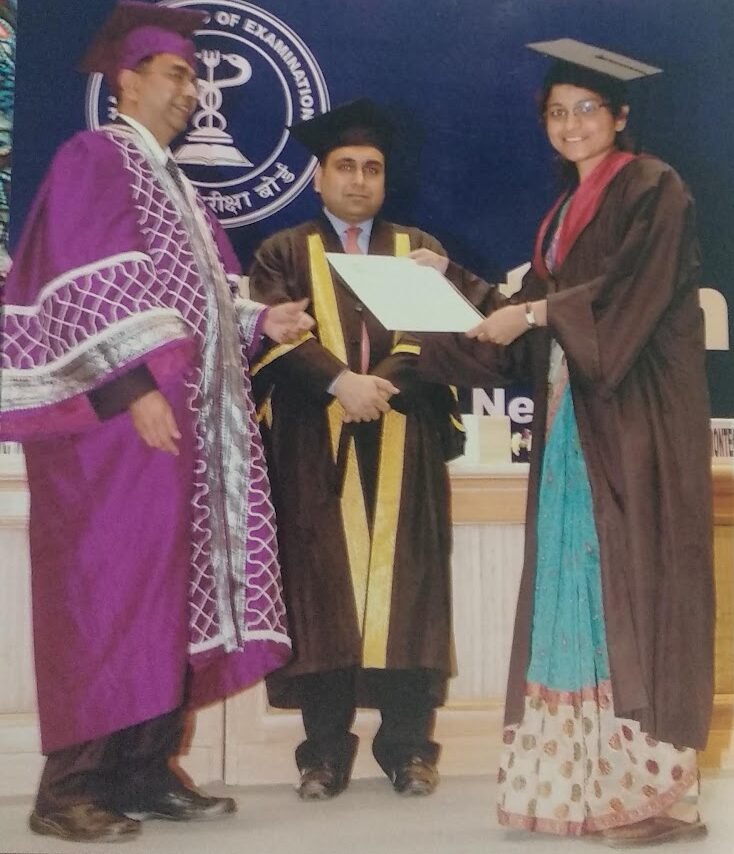
- Graduation ceremony : Degree ceremony – proud and memorable event marking the successful completion of surgical training in neurosurgery. Celebration of transition from students to professionals ready to contribute to patient care and medical advancement. Moment representing the beginning of a lifelong commitment to learning, skill development, and compassionate patient care in a demanding and rewarding specialty.
Accolades